Why Proper Roof Flashing Prevents Costly Water Leaks

How Blocked Roof Valleys Can Cause Costly Roof Damage
July 13, 2026
Why Roof Screws Become Loose and Cause Roof Leaks
July 29, 2026Why Proper Roof Flashing Prevents Costly Water Leaks

A roof is designed to protect your property from rain, wind, and changing weather conditions. While roofing materials such as tiles and metal sheets play an important role, another essential component often goes unnoticed—roof flashing.
Roof flashing is installed around roof joints, valleys, chimneys, skylights, vents, and wall intersections to prevent water from entering vulnerable areas. When flashing is installed correctly and maintained regularly, it helps direct rainwater away from these critical points and protects the structure beneath the roof.
Unfortunately, damaged, loose, or poorly installed flashing is one of the most common causes of roof leaks. Understanding the importance of roof flashing helps property owners recognise potential problems early and reduce the risk of costly water damage.
What Is Roof Flashing?
Roof flashing is a protective material, typically made from metal, that seals areas where different parts of a roof meet.
These areas are naturally more vulnerable to water penetration because they contain gaps, joints, or changes in roof direction.
Roof flashing is commonly installed around:
- Roof valleys
- Chimneys
- Skylights
- Roof vents
- Wall intersections
- Dormer windows
- Roof edges
Its purpose is to guide rainwater safely away from these areas and prevent moisture from entering the building.
Why Roof Flashing Is Important
Even a well-built roof can develop leaks if flashing is damaged or missing.
Without proper flashing, rainwater can seep beneath roofing materials and gradually damage the underlying roof structure.
Effective roof flashing helps:
- Prevent roof leaks
- Protect roof structures
- Improve waterproofing
- Direct rainwater safely
- Reduce moisture penetration
This extra layer of protection plays a vital role in extending the lifespan of the entire roofing system.
Common Causes of Roof Flashing Damage
Roof flashing is constantly exposed to harsh weather conditions.
Over time, several factors can affect its performance.
Common causes include:
- Heavy rainfall
- Strong winds
- Corrosion
- Aging materials
- Poor installation
- Roof movement
- Loose fasteners
Regular roof inspections help identify these issues before they result in significant water damage.
Prevents Costly Water Damage
One of the biggest benefits of properly installed roof flashing is its ability to prevent expensive repairs.
When water enters through damaged flashing, it may affect:
- Roof decking
- Ceiling finishes
- Wall surfaces
- Insulation
- Timber structures
- Electrical systems
Repairing internal water damage is often much more expensive than maintaining roof flashing.
Protects Vulnerable Roof Areas
Certain parts of a roof experience greater exposure to water than others.
Roof flashing provides additional protection in these high-risk locations.
It helps secure areas around:
- Roof penetrations
- Roof joints
- Valleys
- Skylights
- Chimneys
- External walls
Proper flashing reduces the likelihood of water entering these vulnerable sections.
Improves Roof Durability
A roof that remains dry internally is generally more durable and reliable.
By preventing moisture from reaching structural components, flashing helps reduce long-term deterioration.
Benefits include:
- Reduced timber decay
- Less corrosion
- Lower maintenance costs
- Improved structural integrity
- Longer roof lifespan
Protecting the roof from moisture contributes to better long-term performance.
Supports Effective Roof Maintenance
Roof flashing should be included as part of every routine roof inspection.
Checking flashing regularly allows roofing specialists to identify small problems before they become major leaks.
Routine maintenance may include:
- Inspecting flashing condition
- Replacing damaged sections
- Resealing joints
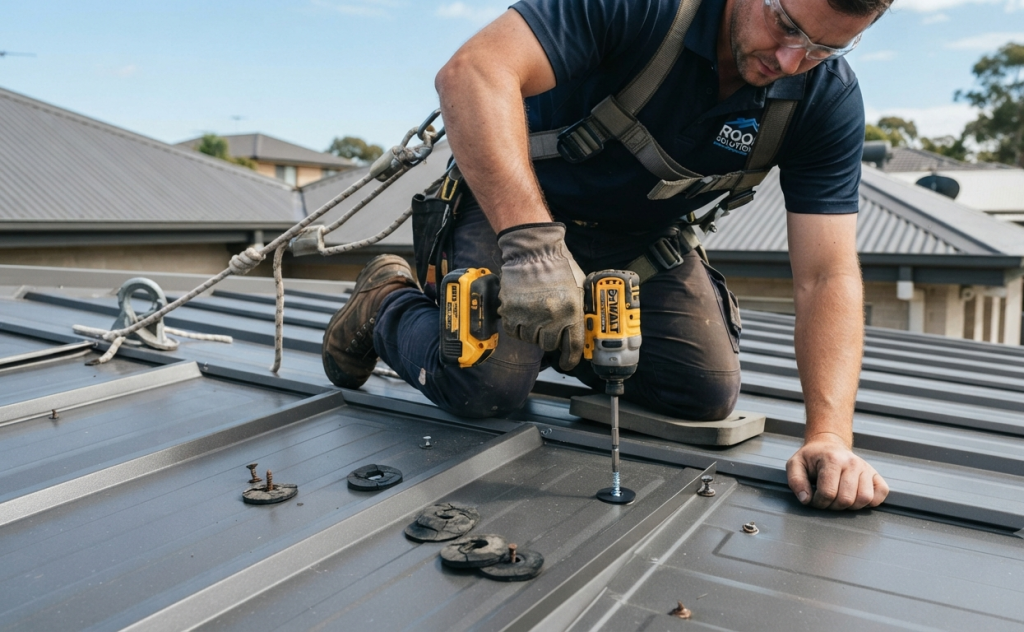
- Tightening loose fasteners
- Removing debris around flashing
Preventive maintenance helps keep the roof weather-resistant throughout the year.
Signs Your Roof Flashing May Need Repair
Roof flashing problems often develop gradually, making them difficult to notice during the early stages.
Property owners should arrange a professional roof inspection if they observe:
- Water stains on ceilings
- Damp walls
- Roof leaks during heavy rain
- Rusted flashing
- Loose metal flashing
- Cracked sealant around roof joints
- Missing flashing sections
Addressing these warning signs early helps prevent more extensive roof damage and costly repairs.
Why Professional Roof Flashing Installation Matters
Roof flashing must be installed correctly to provide effective waterproof protection.
Improper installation can leave gaps that allow rainwater to enter beneath roofing materials.
Professional roofing contractors understand how flashing should be installed around different roof features while ensuring proper drainage and long-term durability.
Professional roof flashing services may include:
- Flashing installation
- Flashing replacement
- Roof leak inspections
- Waterproof sealing
- Roof repair
- Preventive roof maintenance
Working with experienced roofing professionals helps ensure the roof remains fully protected against water intrusion.
Long-Term Benefits of Proper Roof Flashing
Investing in quality roof flashing and regular maintenance provides long-term advantages for residential and commercial properties.
These benefits include:
✔ Reduced risk of roof leaks
✔ Improved waterproof protection
✔ Longer roof lifespan
✔ Lower repair costs
✔ Better structural protection
✔ Reduced moisture damage
✔ Improved property value
✔ Greater peace of mind
Maintaining roof flashing is a simple but effective way to protect both the roof and the building beneath it.
Conclusion
Roof flashing is one of the most important components of a roofing system, yet it is often overlooked until leaks begin to appear. By directing water away from vulnerable areas such as roof valleys, chimneys, skylights, and wall intersections, properly installed flashing helps prevent costly water damage and protects the structural integrity of the building.
Regular roof inspections and timely flashing repairs allow property owners to identify minor issues before they become major roofing problems. Investing in professional roof flashing installation and maintenance helps extend roof lifespan, improve weather resistance, and reduce long-term repair costs.
FAQs
1. What is roof flashing?
Roof flashing is a protective material, usually made from metal, that is installed around roof joints, valleys, chimneys, skylights, vents, and wall intersections to prevent water from entering vulnerable areas of the roof.
2. Why is roof flashing important?
Roof flashing directs rainwater away from critical areas where leaks are most likely to occur. It helps prevent water damage, protects the roof structure, and improves the overall lifespan of the roofing system.
3. How do I know if my roof flashing is damaged?
Common signs include roof leaks, water stains on ceilings, rusted or loose flashing, cracked sealant, and missing flashing sections. A professional roof inspection can accurately identify flashing problems.
4. Can damaged roof flashing be repaired?
Yes. In many cases, damaged flashing can be repaired or replaced without replacing the entire roof. Early repairs help prevent more extensive and expensive water damage.
5. How often should roof flashing be inspected?
Roof flashing should be inspected at least once a year and after severe weather events such as heavy rainstorms or strong winds. Regular inspections help identify problems before they develop into major roof leaks.