How Blocked Roof Valleys Can Cause Costly Roof Damage

How Condensation Inside Your Roof Can Cause Hidden Damage
July 7, 2026
Why Proper Roof Flashing Prevents Costly Water Leaks
July 23, 2026How Blocked Roof Valleys Can Cause Costly Roof Damage

Your roof is designed to protect your home from rain, wind, and harsh weather while directing water safely away from the building. One of the most important parts of this drainage system is the roof valley. Although it may not receive much attention, the roof valley plays a vital role in preventing water from collecting on the roof and entering your home.
Roof valleys are the channels where two sections of a sloping roof meet. During rainfall, large amounts of water naturally flow through these areas before draining into the gutters. When roof valleys become blocked by leaves, twigs, dirt, or other debris, water can no longer flow freely. Instead, it begins to collect on the roof, increasing the risk of leaks, structural damage, and costly repairs.
Many homeowners only discover a blocked roof valley after water damage has already occurred. Understanding the causes, warning signs, and importance of regular maintenance can help prevent expensive roofing problems and extend the lifespan of your roof.
What Is a Roof Valley?
A roof valley is the internal angle formed where two roof slopes meet.
Its primary purpose is to collect rainwater from different sections of the roof and channel it safely towards the gutter system.
Because roof valleys carry a large volume of water during heavy rainfall, they are one of the hardest-working parts of the entire roofing system.
A properly functioning roof valley helps:
- Direct rainwater efficiently
- Prevent water pooling
- Reduce the risk of roof leaks
- Protect roofing materials
- Support the overall drainage system
Keeping roof valleys clean is essential for maintaining effective water flow.
Why Roof Valleys Become Blocked
Roof valleys are constantly exposed to outdoor conditions.
Over time, various materials can accumulate inside the valley and restrict water flow.
Common causes include:
- Fallen leaves
- Small branches and twigs
- Dirt and dust
- Moss growth
- Algae
- Bird nests
- Wind-blown debris
Properties surrounded by mature trees are generally more susceptible to blocked roof valleys because leaves and organic debris accumulate more quickly.
Without regular cleaning, even a small blockage can gradually develop into a much larger problem.
Water Cannot Drain Properly
When a roof valley is blocked, rainwater cannot flow towards the gutters as intended.
Instead, water begins to collect behind the blockage.
Standing water places continuous pressure on roofing materials and increases the likelihood of moisture entering areas that are normally protected.
Over time, poor drainage may result in:
- Water pooling
- Roof leaks
- Damp roof structures
- Premature roof deterioration
- Damage to internal ceilings
Efficient drainage is essential for protecting the roof during both light showers and heavy storms.
Increased Risk of Roof Leaks
One of the most common consequences of a blocked roof valley is roof leakage.
As water builds up behind accumulated debris, it may eventually seep beneath roof tiles, metal roofing sheets, or flashing.
Once water enters the roof structure, it can spread into insulation, timber supports, ceilings, and interior walls.
Early roof leaks are often difficult to detect because moisture may travel some distance before visible signs appear inside the home.
Addressing blocked roof valleys early helps reduce the risk of extensive water damage.
Damage to Roofing Materials
Roofing materials are designed to shed water efficiently rather than remain constantly submerged.
When water remains trapped in blocked roof valleys for extended periods, roofing materials experience additional stress.
Depending on the roofing system, prolonged moisture exposure may contribute to:
- Rust on metal roofing
- Damaged roof tiles
- Deteriorated flashing
- Corrosion of fasteners
- Weakened waterproof barriers
Regular maintenance helps preserve these components and reduce unnecessary repair costs.
Moisture Can Damage the Roof Structure
Water that penetrates beneath the roof surface can eventually reach the structural components supporting the roof.
Timber framing, roof battens, insulation, and ceiling materials are all vulnerable to prolonged moisture exposure.
Over time, this may lead to:
- Timber deterioration
- Mould growth
- Damp insulation
- Ceiling stains
- Structural weakening
Repairing structural water damage is often far more expensive than routine roof maintenance.
Blocked Roof Valleys Can Attract Moss and Algae
Standing water and accumulated organic debris create an ideal environment for moss and algae to grow.
Once established, moss retains even more moisture, making drainage problems worse.
Excessive moss growth may also:
- Lift roofing materials
- Trap additional debris
- Slow water drainage
- Increase roof maintenance requirements
Keeping roof valleys clear helps reduce moisture retention and limits biological growth that can shorten the lifespan of the roof.
Why Regular Roof Inspections Are Important
Blocked roof valleys often develop gradually, making them difficult to notice from ground level.
Professional roof inspections help identify developing problems before they become serious.
During a roof inspection, experienced roofing professionals can:
- Check roof valleys for debris
- Assess water drainage
- Inspect roof flashing
- Identify damaged roofing materials
- Detect early signs of leaks
- Recommend preventive maintenance
Routine inspections allow minor issues to be resolved before they develop into major roofing repairs.
Why Professional Roof Maintenance Matters
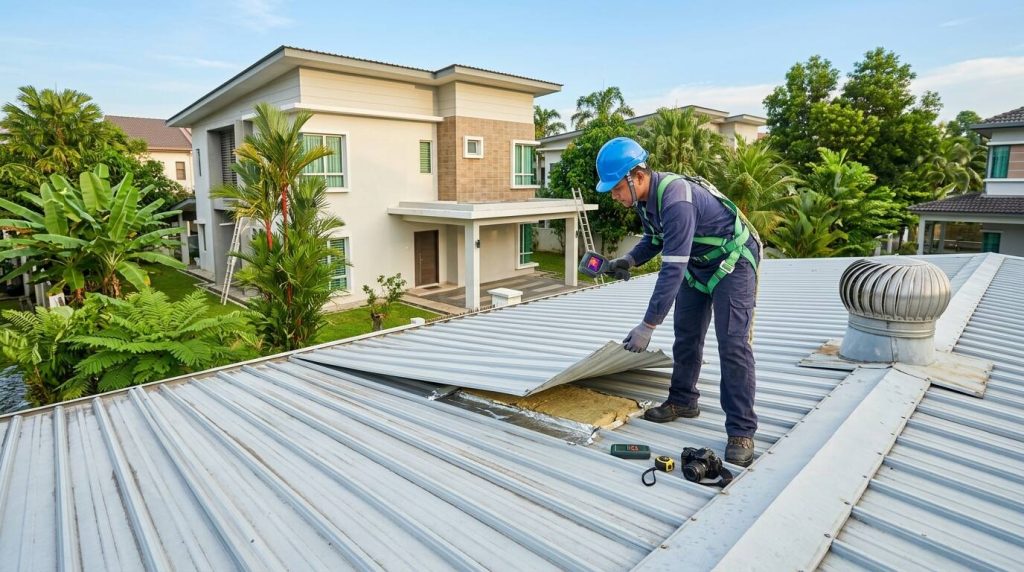
Although some homeowners may attempt to remove leaves and debris themselves, roof valleys can be difficult and dangerous to access without the proper equipment and experience.
Professional roofing contractors have the knowledge and safety equipment required to inspect, clean, and maintain roof valleys correctly.
Professional roof maintenance may include:
- Removing accumulated debris
- Cleaning roof valleys
- Inspecting roof flashing
- Checking roof tiles or metal roofing
- Identifying early signs of water damage
- Recommending necessary roof repairs
Regular professional maintenance helps ensure your roof continues to perform efficiently throughout the year.
Preventing Expensive Roof Repairs
Many major roofing problems begin as small maintenance issues that are left unresolved.
Cleaning blocked roof valleys is a simple preventive measure that can help homeowners avoid much larger repair expenses in the future.
Routine maintenance helps reduce the risk of:
- Roof leaks
- Ceiling water damage
- Timber deterioration
- Mould growth
- Damaged insulation
- Structural roof repairs
Addressing minor issues early is almost always more affordable than repairing significant water damage later.
How Often Should Roof Valleys Be Checked?
The ideal maintenance schedule depends on your property's surroundings and local weather conditions.
Homes located near large trees or in areas with frequent storms may require more regular inspections and cleaning.
As a general guideline, homeowners should consider:
- Inspecting roof valleys at least once or twice a year
- Checking the roof after heavy storms
- Removing accumulated leaves and debris promptly
- Scheduling professional roof inspections regularly
Routine maintenance helps ensure rainwater continues to flow efficiently throughout the roofing system.
Signs Your Roof Valley May Be Blocked
Many roofing problems begin with warning signs that are easy to overlook.
Property owners should arrange a professional roof inspection if they notice:
- Water overflowing from roof valleys
- Water stains on ceilings
- Damp patches on walls
- Visible debris accumulation
- Moss or algae growing in roof valleys
- Dripping water after rainfall
- Sagging gutters near roof valleys
Responding quickly to these warning signs can prevent further roof damage and reduce repair costs.
Long-Term Benefits of Keeping Roof Valleys Clear
Regular roof valley maintenance offers many long-term advantages for homeowners.
These include:
✔ Improved roof drainage
✔ Reduced risk of roof leaks
✔ Longer roof lifespan
✔ Lower maintenance costs
✔ Better protection against water damage
✔ Improved structural integrity
✔ Reduced mould and moisture problems
✔ Greater peace of mind during heavy rainfall
Simple preventive maintenance can significantly improve the overall performance and durability of your roofing system.
Why Choose Professional Roofing Services?
Roof maintenance involves more than simply removing visible debris.
Experienced roofing professionals can identify hidden issues that may not be obvious during a basic visual inspection.
Professional roofing services help homeowners:
- Detect roof problems early
- Improve drainage performance
- Protect roofing materials
- Prevent costly repairs
- Maintain roof safety
- Extend the lifespan of the roofing system
Working with experienced roofing specialists ensures maintenance is carried out safely and effectively.
Conclusion
Roof valleys play an essential role in directing rainwater safely away from your home. When these important drainage channels become blocked by leaves, dirt, moss, or other debris, water can accumulate on the roof and increase the risk of leaks, structural damage, and expensive repairs.
Regular roof inspections and professional maintenance help keep roof valleys clear, allowing rainwater to drain efficiently while protecting your roofing materials and the structure beneath them.
By addressing blocked roof valleys early, homeowners can extend the lifespan of their roof, reduce maintenance costs, and avoid unexpected roofing emergencies.
FAQs
1. What is a roof valley?
A roof valley is the channel where two sloping sections of a roof meet. Its purpose is to collect rainwater and direct it safely into the gutter system. Because large volumes of water pass through this area during rainfall, keeping roof valleys clear is essential for preventing drainage problems and protecting the roof.
2. What causes roof valleys to become blocked?
Roof valleys commonly become blocked by leaves, twigs, dirt, moss, algae, bird nests, and other debris carried by wind or falling from nearby trees. Over time, this build-up restricts water flow and increases the risk of water pooling and roof leaks.
3. What problems can blocked roof valleys cause?
Blocked roof valleys can lead to water pooling, roof leaks, damaged roofing materials, mould growth, ceiling stains, timber deterioration, and costly structural repairs. If left untreated, small blockages may develop into major roofing problems that require extensive repair work.
4. How often should roof valleys be inspected?
Most roofing professionals recommend inspecting roof valleys at least once or twice a year, as well as after severe storms or periods of heavy rainfall. Properties surrounded by large trees may require more frequent inspections and cleaning to prevent debris from accumulating.
5. Why should roof valley maintenance be carried out by professionals?
Professional roofing contractors have the experience, equipment, and safety training required to inspect and maintain roof valleys safely. They can remove debris, identify hidden roof damage, check flashing and roofing materials, and recommend repairs before minor issues become costly roofing problems.