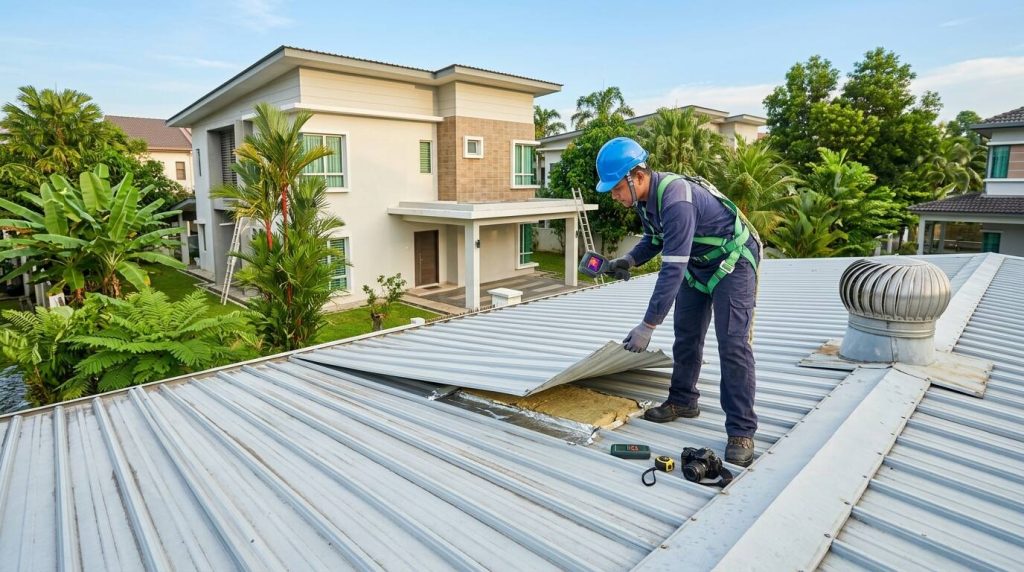
Roof Repair Tips to Prepare Your Home for Monsoon Season

Roof Inspection Services: DIY vs Expert Checks
March 10, 2026
How Do You Know If You Need a Professional Plumber?
March 27, 2026Roof Repair Tips to Prepare Your Home for Monsoon Season

The monsoon season brings heavy rain and strong winds that can easily damage your home if it’s not properly maintained. One of the most important steps homeowners should take is roof repair before the rainy season begins. Small cracks, loose tiles, or hidden leaks can quickly turn into serious problems during heavy storms.
By focusing on timely roof repair and proper plumbing checks, you can prevent water damage, avoid costly repairs, and keep your home safe throughout the monsoon season.
1. Roof Repair Inspection Before Monsoon
Before the rainy season starts, a thorough roof repair inspection is essential. Identifying issues early helps prevent further damage when heavy rain hits.
What to check:
-
Broken, cracked, or missing roof tiles
-
Signs of wear and tear
-
Weak or sagging areas
Fixing these problems early ensures your roof can withstand strong weather conditions and reduces the risk of leaks.
2. Roof Repair and Gutter Cleaning
Clogged gutters are one of the main causes of water overflow and roof damage. Combining roof repair with proper gutter maintenance is key to preventing water buildup.
Maintenance steps:
-
Remove leaves, dirt, and debris
-
Flush gutters to ensure smooth water flow
-
Check for loose or damaged gutter sections
Clean gutters allow rainwater to flow away from your home, reducing the risk of flooding and structural issues.
3. Roof Repair for Flashing and Leak Prevention
Flashing plays a crucial role in protecting your home from water leaks. Damaged flashing can allow water to seep into your roof and walls.
During roof repair, inspect:
-
Cracks or gaps in flashing
-
Worn-out sealants
-
Areas around chimneys, vents, and joints
Repairing or replacing flashing helps prevent leaks and keeps your home protected during heavy rain.
4. Prevent Roof Damage from Trees
Overhanging branches can become dangerous during storms. Strong winds may cause branches to fall and damage your roof.
Preventive actions:
-
Trim nearby trees regularly
-
Remove weak or dead branches
-
Keep leaves from clogging gutters
Taking these steps reduces the risk of physical damage and supports your overall roof maintenance.
5. Plumbing Checks to Support Roof Repair Efforts
While focusing on roof repair, it’s also important to ensure your plumbing system can handle heavy rainfall. Poor drainage can lead to water buildup and additional damage.
What to inspect:
-
Outdoor drains and water flow
-
Pipe leaks or cracks
-
Floor traps and drainage systems
Proper plumbing ensures water is directed away from your home efficiently.
6. Strengthen Weak Areas During Roof Repair
Certain parts of your roof are more vulnerable to damage during storms. Reinforcing these areas during roof repair improves durability.
Focus on:
-
Securing loose tiles or panels
-
Reinforcing gutter brackets
-
Protecting low or exposed areas
Strengthening these sections helps your roof withstand extreme weather conditions.
7. Emergency Roof Repair Preparation
Even with preparation, unexpected issues can still occur. Being ready for emergency roof repair situations can minimize damage.
Be prepared by:
-
Keeping emergency contact numbers ready
-
Having temporary solutions like tarpaulins
-
Acting quickly when leaks appear
Quick response can prevent small issues from becoming major repairs.
Conclusion
Preparing your home for the rainy season starts with proper roof repair and regular maintenance. By addressing small issues early and ensuring your drainage system is functioning properly, you can avoid costly damage during heavy rainfall.
Investing in professional roof repair not only protects your home but also provides peace of mind throughout the monsoon season.
FAQs
1. When should I do roof repair before monsoon?
It’s best to carry out roof repair at least a few weeks before the rainy season begins.
2. How often should roof repair inspections be done?
At least once or twice a year, especially before and after heavy weather seasons.
3. Can I do roof repair myself?
Minor fixes can be DIY, but major issues should be handled by professionals for safety and quality.
4. Why is roof repair important before heavy rain?
It prevents leaks, structural damage, and costly repairs caused by water intrusion.