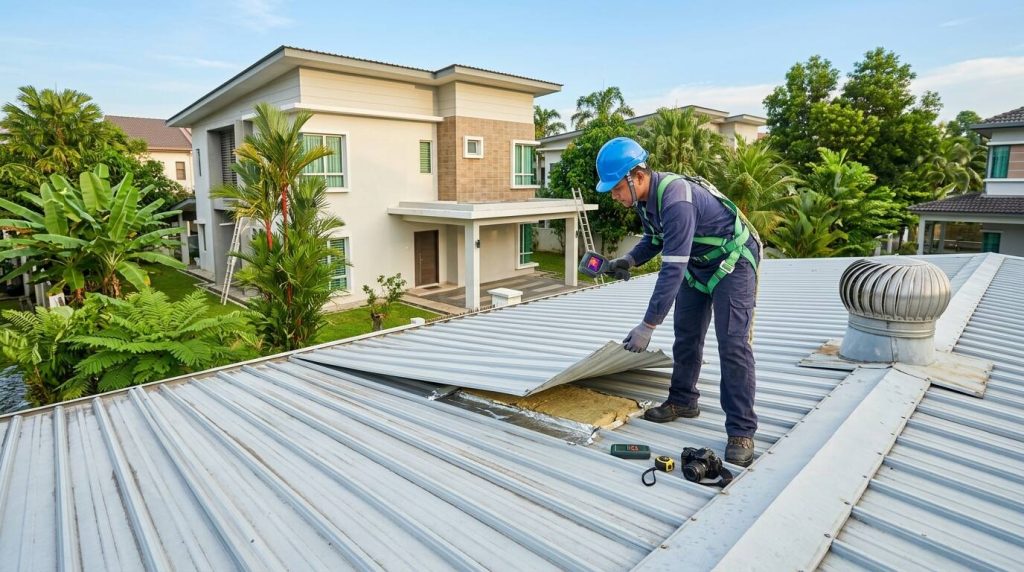
Roof Leak: How Heavy Rain Can Cause Damage

Why Proper Plumbing System Installation Prevents Future Problems
August 13, 2026
How to Choose the Right Water Tank Material for Your Home
September 18, 2026Roof Leak: How Heavy Rain Can Cause Damage

Roof leak problems can become more noticeable during periods of heavy rain in Malaysia. While a well-maintained roof is designed to protect a property from rainwater, repeated exposure to heavy rainfall can affect roof tiles, flashing, gutters, joints, waterproofing, and drainage systems.
A small crack, damaged tile, loose roofing material, blocked gutter, or deteriorated seal may eventually allow water to enter the building. If left untreated, a roof leak can contribute to ceiling stains, damp walls, mould growth, damaged insulation, and deterioration of other building materials.
This is why roof leak repair in Malaysia should not be delayed when warning signs appear. Regular roof inspections, proper maintenance, timely repairs, and suitable waterproofing can help identify potential problems before they develop into more serious water damage.
How Can Heavy Rain Cause Roof Leaks?
Heavy rainfall can place additional stress on different parts of a roofing system. Large amounts of water may accumulate in damaged or poorly drained areas, while strong rain and wind can affect roof tiles, metal sheets, flashing, seals, and other roofing components.
Repeated exposure to rainwater may gradually contribute to:
• Roof leaks
• Damaged roof tiles
• Deteriorated waterproofing
• Blocked gutters
• Damaged flashing
• Loose roofing materials
• Ceiling stains
• Damp walls
• Mould growth
• Water damage
The severity of the problem depends on the roof's condition, age, design, materials, and maintenance history.
Why Roof Maintenance Is Important in Malaysia
Malaysia's frequent rainfall means roofs are regularly exposed to moisture and changing weather conditions.
Even when a roof appears to be in good condition from the ground, there may still be hidden problems that are difficult to identify without a closer inspection.
Regular roof maintenance can help identify:
• Cracked or broken tiles
• Loose roofing materials
• Damaged flashing
• Deteriorated sealant
• Blocked gutters
• Damaged waterproofing
• Standing water
• Early signs of leakage
Finding these problems early can make repairs easier and may help reduce the overall cost of roof maintenance.
7 Warning Signs of a Roof Leak
Roof problems often provide warning signs before significant water damage occurs. Property owners should pay attention to the following signs, particularly after periods of heavy rain.
1. Water Stains on the Ceiling
Brown, yellow, or dark stains appearing on the ceiling are among the most noticeable signs of a possible roof leak.
These stains may become more visible after heavy rainfall and can indicate that water is entering through the roof and travelling through the building structure before becoming visible on the ceiling.
Other signs may include:
• Wet ceiling patches
• Peeling or bubbling paint
• Damp plaster
• Dripping water
• Musty smells
A ceiling stain should not simply be painted over. The source of the water should be identified and repaired first.
2. Water Leaks or Dripping
Visible water dripping through the ceiling or roof area is a clear indication that water may be entering the building.
Leaks can occur around:
• Roof tiles
• Flashing
• Roof joints
• Skylights
• Ventilation openings
• Roof penetrations
• Gutters
• Roof edges
The location where water appears inside the property may not be directly below the damaged area. Water can travel along roofing materials and structural components before entering the building.
A proper roof inspection can help identify the actual source of the leak.
3. Cracked, Broken, or Missing Roof Tiles
Roof tiles can become cracked, broken, loose, displaced, or missing due to ageing, heavy rainfall, strong winds, falling branches, and general wear and tear.
Damaged or missing tiles can create openings that allow rainwater to penetrate the roofing system and potentially reach the underlying structure.
Property owners should look for:
• Cracked tiles
• Broken tiles
• Missing tiles
• Loose or displaced tiles
• Visible gaps
Damaged roofing materials should be addressed promptly to reduce the risk of further water damage.
4. Blocked or Overflowing Gutters
Gutters help direct rainwater away from the roof and building. When they become blocked by leaves, dirt, branches, moss, or other debris, rainwater may not drain properly.
During heavy rainfall, blocked gutters can overflow, allowing water to reach areas of the building that are not designed to withstand prolonged water exposure.
Signs of gutter problems may include:
• Water overflowing from gutters
• Damp exterior walls
• Damage around roof edges
• Water entering the building
• Soil erosion around the property
Regular gutter cleaning can help maintain proper rainwater drainage.
5. Damp Walls, Peeling Paint, or Mould
Roof leaks do not always appear as ceiling stains. Water can travel through walls and other parts of the building before becoming visible.
Property owners may notice:
• Damp patches
• Peeling or bubbling paint
• Discoloured walls
• Mould growth
• Musty odours
These signs may indicate an underlying moisture problem. If the moisture is coming from the roof, the source should be addressed before carrying out cosmetic repairs such as repainting.
6. Damaged Flashing, Seals, or Waterproofing
Flashing, seals, and waterproofing help prevent rainwater from entering vulnerable areas of the roof.
Over time, these materials can deteriorate because of:
• Sun exposure
• Heavy rainfall
• Temperature changes
• Age
• Poor installation
• Physical damage
• General wear and tear
Cracked, loose, corroded, or deteriorated flashing and seals can create pathways for water to enter through roof joints, vents, skylights, and other roof penetrations.
A professional roof inspection can help determine whether these components require repair or replacement.
7. Sagging, Water Pooling, or Other Visible Roof Damage
A roof that appears uneven, sagging, or visibly damaged may indicate a more serious underlying problem.
On flat or low-slope roofs, standing water that remains after rainfall may indicate inadequate drainage, an uneven roof surface, or other issues that require further inspection.
Other visible warning signs may include:
• Sagging roof sections
• Standing water
• Rust or corrosion on metal roofing
• Loose roofing materials
• Damaged roof edges
• Visible gaps or holes
These issues should be inspected promptly, particularly if they appear after heavy rainfall or become progressively worse.
When to Arrange a Roof Inspection
Not every visible sign necessarily means that the roof requires major repairs. However, recurring leaks, water stains, damaged roofing materials, mould, or structural changes should not be ignored.
A roof inspection can help identify potential problems before they develop into more serious issues. A professional inspection can also be useful when the source of a roof leak is difficult to identify or when signs of water damage keep returning.
Early identification allows suitable repairs to be considered before further damage occurs.
Why Roof Waterproofing Is Important
Roof waterproofing is an important part of protecting a building from rainwater and moisture, especially during heavy rainfall.
A suitable waterproofing system can help prevent water from entering through vulnerable areas such as cracks, joints, and roof edges, while reducing the risk of damage to the underlying roof structure.
Waterproofing may be particularly important around:
• Roof joints
• Flat roof areas
• Roof edges
• Drainage areas
• Roof penetrations
• Cracks
• Concrete roof surfaces
The appropriate waterproofing method depends on the roof design, existing materials, condition of the surface, and location of the problem.
Heavy Rain Can Expose Existing Roof Problems
Heavy rain does not necessarily cause every roof problem. In many cases, it exposes weaknesses that already exist within the roofing system.
Issues such as damaged tiles, worn seals, blocked gutters, damaged flashing, or deteriorated waterproofing may only become noticeable during heavy rainfall.
During normal rainfall, these existing problems may not be immediately noticeable. However, the increased volume of water during heavy rain can quickly reveal leaks, poor drainage, damaged materials, or areas where the roof is no longer providing adequate protection.
The Importance of Roof Flashing
Roof flashing is used around areas where different roof surfaces meet or where the roof connects with other building components.
Damaged, loose, or poorly sealed flashing can create gaps that allow rainwater to enter the roofing system. These areas can become particularly vulnerable during heavy rainfall.
Flashing may be found around:
• Roof edges
• Walls
• Roof valleys
• Ventilation areas
• Roof penetrations
• Other roof junctions
If flashing becomes loose, corroded, cracked, or damaged, rainwater may enter through vulnerable areas of the roofing system. Over time, repeated water exposure can contribute to dampness and further deterioration.
Proper inspection and timely roof flashing repair can help restore the roof's protection and reduce the risk of water damage.
Why Roof Drainage Matters During Heavy Rain
A roofing system needs an effective way to move rainwater away from the building.
Rainwater may be directed through:
• Gutters
• Downpipes
• Roof drains
• Drainage channels
• Roof slopes
If drainage is inadequate or blocked, rainwater may accumulate on the roof or overflow into unwanted areas.
Prolonged standing water can place additional stress on roofing materials and increase the risk of water penetration. Keeping gutters, outlets, and other drainage components clear is therefore an important part of regular roof maintenance.
How Roof Leaks Can Cause Water Damage
A roof leak that is left untreated can affect more than the roof itself.
Water may eventually damage:
• Ceilings
• Walls
• Flooring
• Cabinets
• Furniture
• Electrical components
• Insulation
• Structural materials
The longer a roof leak continues, the greater the risk of secondary damage to surrounding parts of the building.
Addressing leaks early can help prevent the problem from worsening and reduce the likelihood of more extensive and costly repairs.
Why Roof Leaks Should Not Be Ignored
A small roof leak may appear manageable, especially when water only enters during periods of heavy rainfall.
However, repeated water entry can gradually weaken and damage surrounding materials. Over time, a minor leak may develop into a more serious problem requiring extensive repairs.
Ignoring a roof leak may result in:
• Increasing water damage
• Larger ceiling stains
• Mould growth
• Deteriorated materials
• Damaged insulation
• More extensive repair work
A small repair carried out early may be simpler than dealing with extensive water damage later.
Roof Leak Inspection After Heavy Rain
After a period of particularly heavy rain, property owners should pay attention to any changes inside and outside the building.
Useful warning signs include:
• New ceiling stains
• Damp walls
• Water dripping indoors
• Blocked gutters
• Damaged roof tiles
• Visible roof cracks
• Mould growth
• Musty smells
A professional roof inspection can help identify potential problems before they become more serious.
It can also help determine the source of a roof leak when water damage continues to appear in the same area.
Roof Leak Repair vs Roof Replacement
Not every leaking roof requires complete replacement. The appropriate solution depends on the condition, age, and extent of the damage.
Minor problems may sometimes be addressed through:
• Tile replacement
• Sealant repair
• Flashing repair
• Gutter cleaning
• Waterproofing repair
• Drainage improvements
However, a roof with widespread deterioration, extensive damage, or significant structural problems may require more substantial repairs or replacement.
A professional roof assessment can help determine the most appropriate and cost-effective solution.
When Should You Arrange Roof Leak Repair?
Roof leak repair should generally be considered when warning signs appear rather than waiting for the problem to become severe.
You may need to arrange an inspection if you notice:
• Water entering during rain
• New ceiling stains
• Repeated roof leaks
• Cracked or missing tiles
• Damaged flashing
• Overflowing gutters
• Damp walls
• Mould near the ceiling
• Deteriorated waterproofing
Early attention can help identify the cause and prevent the problem from becoming more extensive.
Preventing Roof Problems During Malaysia's Rainy Weather
Regular maintenance can help reduce the risk of roof problems.
Property owners can consider:
• Inspecting the roof regularly
• Cleaning gutters and drainage systems
• Replacing damaged roof tiles
• Checking flashing and roof joints
• Monitoring ceiling stains
• Inspecting waterproofing
• Removing debris from roof drainage areas
• Addressing small leaks promptly
Preventive maintenance is generally easier than dealing with extensive water damage after a major roof leak.
Why Professional Roof Leak Repair Is Important
Roof repair involves more than simply covering a visible hole or replacing a damaged tile.
The actual source of water entry needs to be identified to ensure that the underlying problem is properly addressed.
A professional inspection can help determine where the water is entering and whether other parts of the roofing system have also been affected.
Professional roof leak repair may involve inspecting:
• Roof tiles
• Metal roofing
• Flashing
• Roof joints
• Gutters
• Downpipes
• Waterproofing
• Roof drainage
• Roof penetrations
Identifying the underlying cause helps ensure that repairs address the actual problem rather than only the visible symptoms.
Common Roof Leak Repair Mistakes
Some temporary repairs may fail because the underlying cause of the leak has not been addressed.
Common problems include:
• Repairing only the visible water stain
• Applying unsuitable sealant
• Ignoring damaged flashing
• Failing to clean blocked gutters
• Replacing tiles without checking surrounding areas
• Ignoring damaged waterproofing
• Delaying repairs after repeated leaks
A proper inspection can help determine what needs to be repaired and whether additional areas require attention.
Long-Term Benefits of Proper Roof Maintenance
Regular roof maintenance can provide benefits that extend beyond preventing leaks.
Benefits include:
✔ Reduced risk of water damage
✔ Better roof performance
✔ Lower risk of recurring leaks
✔ Improved drainage
✔ Longer roofing lifespan
✔ Easier maintenance
✔ Reduced repair costs
✔ Better protection from heavy rain
✔ Improved property condition
A well-maintained roof provides an important layer of protection for the entire building.
Protecting Your Property From Heavy Rain
Malaysia's heavy rainfall makes roof condition an important consideration for homeowners and property owners.
A well-maintained roof with proper waterproofing and effective drainage can provide better protection against rainwater and moisture.
Regular roof inspections can help identify minor issues before they develop into more serious problems. By paying attention to warning signs and arranging roof leak repairs when necessary, property owners can reduce the risk of extensive water damage and costly repairs.
Why Professional Roof Repair Is Worth the Investment
Delaying roof repairs or relying only on temporary solutions may result in larger problems later.
Professional roof repair services can help with:
• Roof leak inspection
• Roof tile replacement
• Roof waterproofing
• Flashing repair
• Gutter maintenance
• Roof drainage
• Roof maintenance
• Roof repair
• Water damage prevention
The appropriate repair approach depends on the type, condition, and extent of the roof damage.
A professional assessment can help property owners identify the underlying cause of the problem and determine the most suitable repair solution. This helps ensure that the issue is addressed properly rather than treating only the visible signs of damage.
Conclusion
Heavy rain can expose weaknesses in a roofing system and contribute to roof leaks, damaged roofing materials, blocked drainage, deteriorated waterproofing, and water damage.
For property owners in Malaysia, regular roof maintenance and inspection can help protect a building from rainwater. Warning signs such as ceiling stains, water leaks, damaged roof tiles, blocked gutters, damp walls, mould, and deteriorated waterproofing should not be ignored.
Early roof leak repair in Malaysia can help prevent a minor roofing problem from developing into a larger and more costly issue. Whether you are dealing with an active roof leak, considering roof waterproofing, or maintaining an existing roof, timely inspection and repair can provide better long-term protection for your property.
Contact Us
FAQs
1. Can heavy rain cause roof leaks?
Yes. Heavy rain can expose existing weaknesses within a roofing system, particularly when roof tiles, flashing, seals, gutters, joints, or waterproofing have already deteriorated. A roof that appears fine during normal rainfall may begin leaking when a larger volume of rainwater reaches damaged or poorly sealed areas. Regular roof inspection can help identify these weaknesses before they lead to more serious water damage.
2. What are the common signs of a roof leak?
Common signs of a roof leak include brown or yellow ceiling stains, dripping water, damp walls, peeling or bubbling paint, mould growth, musty smells, and visible damage to roof tiles or other roofing materials. Some leaks may only appear during heavy rainfall, while others can cause ongoing moisture problems. If these signs keep returning, a professional inspection can help identify the actual source of the leak.
3. How often should a roof be inspected in Malaysia?
Regular roof inspections are useful because Malaysian roofs are frequently exposed to heavy rainfall, strong sunlight, wind, and changing weather conditions. Property owners should also consider an inspection after particularly heavy rain or when new warning signs appear. Older roofs or roofs with previous repair problems may require closer monitoring to identify potential issues early.
4. Does roof waterproofing prevent leaks?
Suitable roof waterproofing can help reduce the risk of rainwater entering through vulnerable areas such as cracks, joints, roof edges, concrete surfaces, and other penetration points. However, waterproofing alone may not solve every roof leak, especially when there are damaged tiles, poor drainage, defective flashing, or structural problems. The appropriate waterproofing system should be selected based on the roof type, condition, and source of the water problem.
5. Does every roof leak require roof replacement?
No. Not every roof leak requires a complete roof replacement. Minor problems may sometimes be repaired through damaged tile replacement, flashing repair, sealant repair, gutter cleaning, waterproofing, or drainage improvements. Roof replacement may be considered when the roof has widespread deterioration, extensive damage, repeated failures, or significant structural problems. A professional roof assessment can help determine the most suitable solution.