Roof and Plumbing Integration: How Poor Systems Cause Hidden Water Damage

How Do You Know If You Need a Professional Plumber?
March 27, 2026
Roofing Contractors: How to Choose the Right Expert Malaysia
April 14, 2026Roof and Plumbing Integration: How Poor Systems Cause Hidden Water Damage

Roof and plumbing integration is a critical component in maintaining the structural integrity of any property, yet it is often overlooked until serious problems arise. When roofing systems and plumbing drainage are not properly connected or designed to work together, water can slowly infiltrate hidden areas such as ceilings, walls, and foundations. This type of hidden water damage can go unnoticed for long periods, eventually leading to costly repairs and major structural issues.
In regions like Malaysia, where heavy rainfall is common throughout the year, proper water management is essential. Without efficient roof and plumbing integration, rainwater may not be directed safely away from the property. Instead, it accumulates in vulnerable areas, increasing the risk of leaks, mold growth, and long-term deterioration. This is why understanding the causes and risks of poor integration is important for every property owner.
Poor Gutter and Downpipe Connection
One of the main causes of water damage is the improper connection between gutters and downpipes. Gutters are designed to collect rainwater from the roof and channel it into downpipes, which then direct the water away from the building. However, when these components are blocked, damaged, or misaligned, water overflows and spills into areas it shouldn’t reach.
Over time, this excess moisture can seep into walls and ceilings, weakening the structure and causing visible stains. In many cases, the damage starts small but becomes severe if left untreated. Professional services like https://www.kyroofingplumbing.com/ can help ensure gutters and downpipes are properly installed and maintained to prevent these issues.
Roof Leaks That Spread Internally
Another major issue related to poor roof and plumbing integration is roof leakage that spreads internally. Even a small crack or damaged tile can allow water to enter the building. Once inside, water does not simply drip down—it can travel along beams, pipes, and insulation, affecting multiple areas.
This makes the source of the leak difficult to identify, as the visible damage may appear far from the actual problem. Continuous exposure to moisture can also weaken plumbing joints and increase the risk of pipe leaks. Regular inspections are essential to detect these hidden issues early and prevent further complications.
Inefficient Roof Drainage Design
A well-designed roof drainage system ensures that water flows smoothly from the roof into the drainage network. However, poor design can cause water to pool on the roof, especially during heavy rain. This standing water increases pressure on roofing materials and eventually finds its way into cracks and weak points.
In addition, when drainage systems are not properly integrated with plumbing, certain sections may become overloaded. This leads to overflow and leakage, especially during storms. Property owners can explore proper drainage solutions at https://www.kyroofingplumbing.com/services/ to improve system efficiency and reduce risks.
Hidden Moisture and Mold Growth
One of the most dangerous effects of poor roof and plumbing integration is hidden moisture buildup. When water enters enclosed spaces such as ceilings or wall cavities, it creates a damp environment that promotes mold growth. This often happens without immediate visible signs, making it difficult to detect early.
Mold not only damages building materials but also affects indoor air quality. Prolonged exposure can lead to health issues, especially for individuals with allergies or respiratory conditions. According to guidelines from https://www.epa.gov/mold, controlling moisture is key to preventing mold-related problems in buildings.
Foundation and Structural Damage
Water that is not properly directed away from a property can accumulate around the foundation. Over time, this weakens the soil and causes cracks in the structure. As the foundation shifts, it can lead to uneven floors, wall cracks, and even serious safety concerns.
In addition, wooden components such as beams and ceilings may begin to rot when exposed to continuous moisture. These structural damages are often expensive to repair and may require extensive renovation work. Preventing water intrusion through proper system integration is far more cost-effective than fixing the damage later.
Increased Maintenance Costs Over Time
Ignoring small issues related to roof and plumbing integration can result in higher maintenance costs in the long run. Minor leaks and drainage problems may seem insignificant at first, but they tend to worsen over time. What could have been a simple repair may eventually require major reconstruction.
Regular maintenance and professional inspections help identify problems early and reduce overall repair costs. Property owners who invest in preventive measures often save more money compared to those who delay repairs.
Importance of Professional Inspection
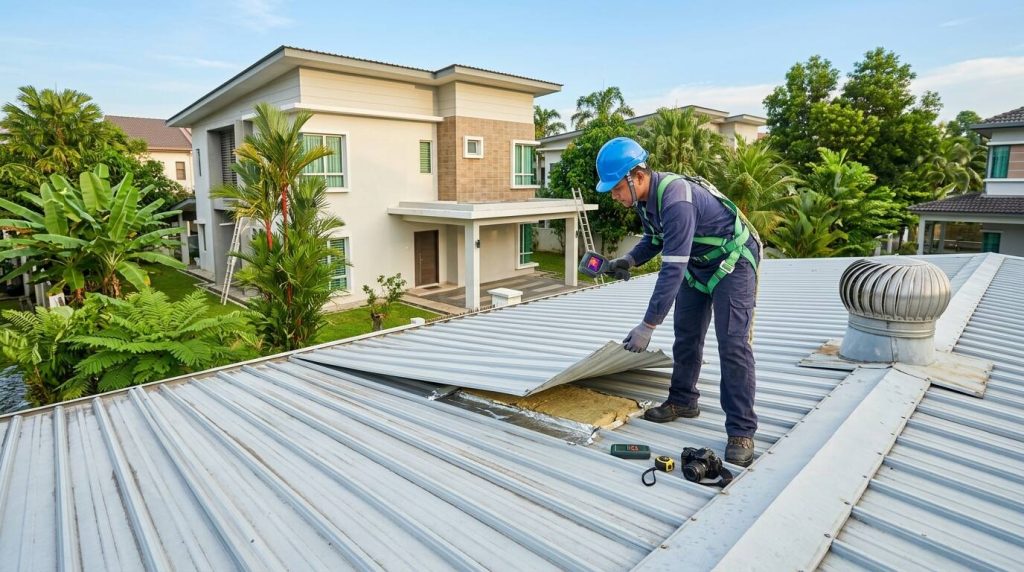
Professional inspection plays a crucial role in ensuring proper roof and plumbing integration. Experts have the knowledge and tools to identify hidden issues that are not visible to the untrained eye. They can assess the condition of roofing materials, drainage systems, and plumbing connections to ensure everything is functioning correctly.
Organizations such as https://www.cidb.gov.my/ emphasize the importance of proper construction practices and regular maintenance to ensure building safety. By working with professionals, property owners can prevent serious issues and maintain the value of their property.
Conclusion
Roof and plumbing integration is essential for preventing hidden water damage and maintaining a safe, durable property. Poor integration can lead to a wide range of problems, from minor leaks to severe structural damage. Because these issues often develop silently, regular inspections and proper maintenance are crucial.
By ensuring that roofing and plumbing systems work together efficiently, property owners can protect their investment and avoid costly repairs. Taking a proactive approach is always the best way to maintain long-term property health.
More Info:
Learn more about professional roofing services: https://www.kyroofingplumbing.com/
Explore expert plumbing solutions: https://www.kyroofingplumbing.com/services/
Reference: https://www.building.gov.my/ (Construction Industry Development Board Malaysia)
FAQs
Q1: What is roof and plumbing integration?
It refers to how roofing drainage systems and plumbing work together to manage water flow effectively.
Q2: Why is hidden water damage dangerous?
It can weaken structures, cause mold growth, and lead to expensive repairs if not detected early.
Q3: How can I prevent water damage?
Regular inspections and professional maintenance ensure proper system alignment and performance.
Q4: When should I call professionals?
If you notice leaks, damp spots, or drainage issues, it’s best to seek professional help immediately.