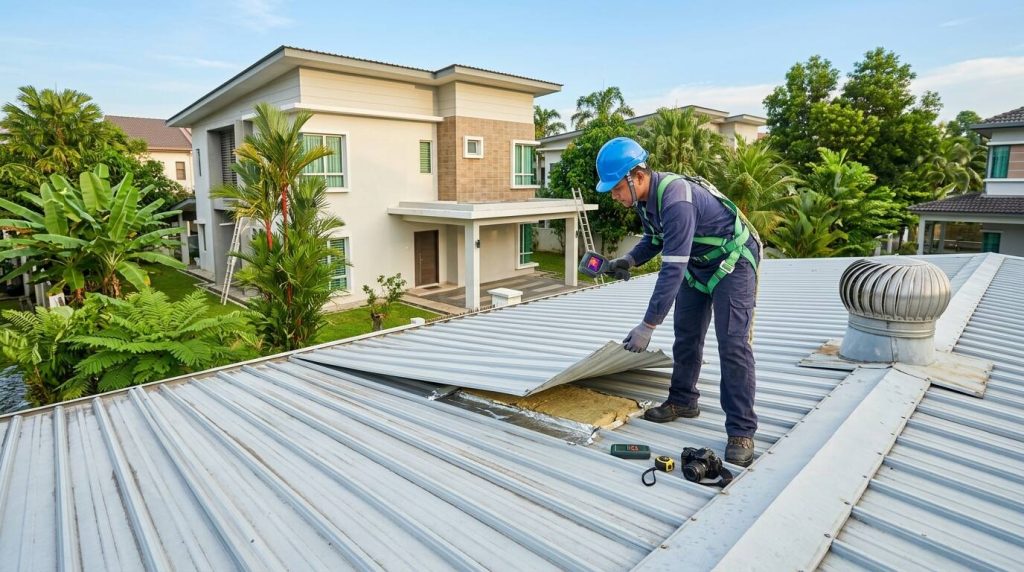
Why Gutter Problems Can Lead to Serious Roof Damage

Why Low Water Pressure Happens in Homes and How to Fix It
June 4, 2026
How Aging Plumbing Systems Affect Home Performance
June 22, 2026Why Gutter Problems Can Lead to Serious Roof Damage

Many homeowners pay attention to their roofs when leaks appear but often overlook the condition of their gutters. While gutters may seem like a small part of a roofing system, they play a critical role in protecting a property from water damage.
A properly functioning gutter system directs rainwater away from the roof, walls, foundation, and surrounding landscape. When gutters become clogged, damaged, or poorly maintained, water can no longer flow efficiently. As a result, excess water may accumulate around the roof and eventually cause serious structural problems.
Understanding how gutter issues affect roofing systems can help homeowners take preventive action before minor maintenance concerns become expensive repair projects.
The Purpose of a Gutter System
Gutters are designed to collect rainwater from the roof and channel it safely away from the property.
Without gutters, rainwater would flow directly off the roof and potentially damage:
- roof edges
- fascia boards
- exterior walls
- foundations
- landscaping
A properly maintained gutter system helps reduce water-related damage and supports the overall lifespan of the roof.
How Gutter Problems Begin
Gutter problems often develop gradually over time.
Common causes include:
- leaves and debris buildup
- dirt accumulation
- bird nests
- damaged gutter sections
- loose gutter brackets
- improper installation
Because gutters are located along the roofline, homeowners may not immediately notice developing issues.
Unfortunately, even minor gutter problems can become more serious when left unattended.
Water Overflow Can Damage Roof Edges
One of the most common consequences of blocked gutters is water overflow.
When gutters become clogged, rainwater has nowhere to go and begins overflowing over the sides.
This excess water can repeatedly soak roof edges and nearby roofing materials.
Over time, continuous moisture exposure may lead to:
- roof deterioration
- weakened roofing materials
- water penetration
- premature aging of roof components
The longer the problem continues, the greater the risk of costly repairs.
Fascia Boards Are Vulnerable to Water Damage
Fascia boards are located along the roof edge and help support the gutter system.
When gutters overflow, fascia boards are often among the first components affected.
Excessive moisture can cause:
- wood rot
- peeling paint
- warping
- structural weakening
Damaged fascia boards may eventually lose their ability to support gutters properly, creating additional roofing and drainage problems.
Blocked Gutters Can Cause Roof Leaks
Many homeowners are surprised to learn that clogged gutters can contribute to roof leaks.
When water accumulates inside blocked gutters, it may back up beneath roofing materials.
This trapped moisture can enter small gaps and vulnerable areas around the roof.
As water continues to penetrate the roofing system, homeowners may begin noticing:
- ceiling stains
- damp insulation
- mold growth
- interior water damage
Addressing gutter issues early can help prevent these costly roofing problems.
Standing Water Accelerates Roof Deterioration
A roof is designed to shed water efficiently.
However, blocked gutters can create conditions where water remains trapped near roof edges for extended periods.
Standing water can:
- weaken roofing materials
- damage underlayment layers
- encourage mold and algae growth
- reduce roof lifespan
Over time, these issues may require extensive roof repairs or even premature roof replacement.
Gutter Problems Can Lead to Mold Growth
Moist environments encourage mold and mildew development.
When overflowing gutters repeatedly wet roofing components, moisture may spread to:
- roof decking
- attic spaces
- ceilings
- wall structures
Mold growth not only affects building materials but can also impact indoor air quality.
Regular gutter maintenance helps reduce excessive moisture and lower the risk of mold-related issues.
Heavy Rain Makes Existing Problems Worse
During periods of heavy rainfall, gutter systems are placed under greater stress.
A gutter that appears functional during light rain may struggle during storms if debris has already accumulated.
Heavy rain can result in:
- significant water overflow
- gutter sagging
- detached gutter sections
- increased roof water exposure
This is why regular inspections before rainy seasons are highly recommended.
Signs Your Gutters May Be Causing Roof Problems
Homeowners should watch for warning signs such as:
Overflowing Water
Water spilling over gutter edges during rain often indicates blockage.
Sagging Gutters
Heavy debris accumulation can cause gutters to pull away from the roof.
Water Stains
Discoloration on exterior walls or ceilings may indicate moisture intrusion.
Peeling Paint
Persistent moisture exposure often causes paint deterioration near rooflines.
Plant Growth in Gutters
Small plants or weeds growing in gutters suggest long-term debris accumulation.
Identifying these signs early can help prevent major roof damage.
The Benefits of Regular Gutter Maintenance
Routine gutter maintenance offers several advantages.
Protects Roofing Materials
Proper drainage reduces moisture exposure and extends roof lifespan.
Prevents Costly Repairs
Addressing minor gutter issues early helps avoid larger roofing expenses.
Improves Water Flow
Clean gutters direct rainwater away from the property efficiently.
Reduces Structural Risks
Effective drainage helps protect fascia boards, walls, and foundations.
Supports Long-Term Property Value
Well-maintained roofing and drainage systems contribute to overall property condition.
Professional Gutter Inspection and Cleaning
While homeowners can perform basic visual inspections, professional maintenance provides a more thorough assessment.
Professional services can identify:
- hidden blockages
- loose gutter sections
- drainage inefficiencies
- roof edge damage
- early signs of water intrusion
Regular inspections help ensure both the gutter system and roof remain in good condition.
Conclusion
Gutters play an essential role in protecting a home's roofing system from water damage. When gutters become clogged, damaged, or neglected, excess rainwater can overflow and create serious roofing problems over time.
From fascia board deterioration and roof leaks to mold growth and structural damage, the consequences of poor gutter maintenance can be costly.
By scheduling regular inspections and cleaning, homeowners can protect their roofs, improve drainage performance, and reduce the risk of expensive repairs. A well-maintained gutter system is one of the most effective ways to support the long-term health of a roof.
FAQs
1. Can clogged gutters really damage a roof?
Yes. Blocked gutters can cause water to overflow and accumulate near roof edges, leading to deterioration, leaks, and moisture-related damage.
2. How often should gutters be cleaned?
Most properties benefit from gutter cleaning at least twice a year, although homes surrounded by trees may require more frequent maintenance.
3. What are the signs of gutter-related roof damage?
Common signs include roof leaks, water stains, peeling paint, sagging gutters, and rotting fascia boards.
4. Can overflowing gutters cause mold growth?
Yes. Excess moisture from overflowing gutters can encourage mold and mildew development in roofing structures and nearby building materials.
5. Should I hire professionals for gutter maintenance?
Professional inspections and cleaning help identify hidden issues and ensure the gutter system functions properly to protect the roof.