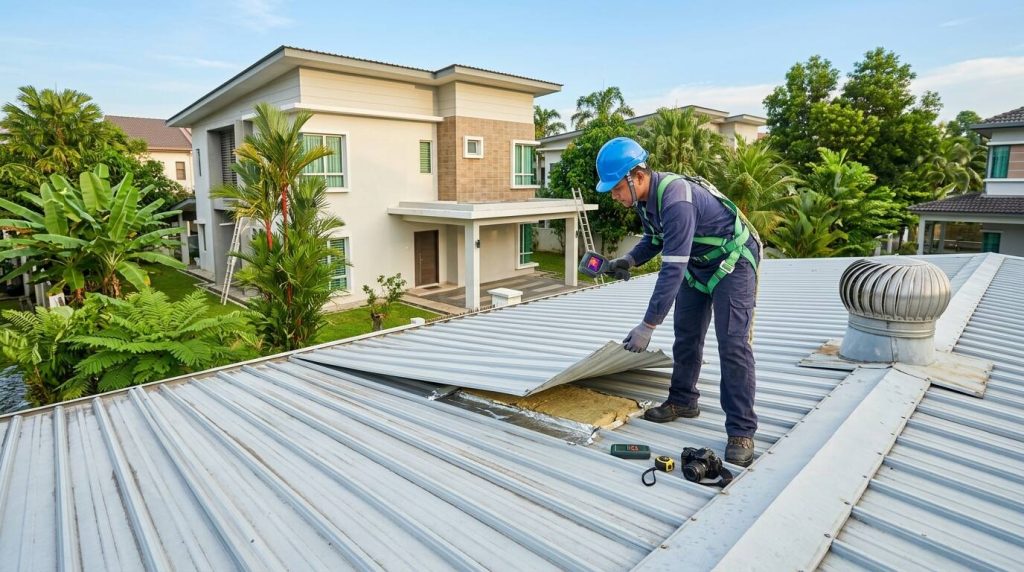
How Condensation Inside Your Roof Can Cause Hidden Damage

Why Water Pump Problems Should Be Fixed Early
June 29, 2026
How Blocked Roof Valleys Can Cause Costly Roof Damage
July 13, 2026How Condensation Inside Your Roof Can Cause Hidden Damage

When homeowners think about roof damage, they often imagine heavy rain, broken roof tiles, or leaking gutters. While these are common causes of roofing problems, another issue often develops silently without being noticed—roof condensation.
Unlike rainwater entering through damaged roofing materials, condensation forms inside the roof itself. Warm, moisture-filled air rises into the roof space, where it comes into contact with cooler surfaces. As the air cools, water droplets begin to form. Over time, this moisture can accumulate and create serious problems that remain hidden until significant damage has already occurred.
Because condensation usually develops inside the attic or beneath the roof covering, many homeowners only discover the issue after seeing mould growth, ceiling stains, peeling paint, or damaged timber. By then, repairs may be much more extensive and expensive.
Understanding what causes roof condensation and recognising its warning signs can help homeowners protect their property, improve indoor comfort, and avoid unnecessary repair costs.
What Is Roof Condensation?
Roof condensation is the process where warm, humid air inside a building comes into contact with cold roof surfaces and changes into water droplets.
This commonly happens when:
- Warm indoor air rises into the roof space.
- The roof structure is cooler than the indoor air.
- Moisture in the air condenses on roof timbers, insulation, or the underside of roof sheets.
Unlike a roof leak caused by damaged roofing materials, condensation originates from inside the property rather than outside weather conditions.
Because it develops gradually, roof condensation often goes unnoticed for months before visible damage appears.
What Causes Roof Condensation?
Several factors can increase the likelihood of condensation forming inside a roof.
Poor Roof Ventilation
One of the most common causes is inadequate roof ventilation.
Without proper airflow, warm, humid air becomes trapped inside the roof space.
As temperatures change throughout the day and night, moisture condenses on cooler roof surfaces instead of escaping through ventilation openings.
High Indoor Humidity
Daily household activities produce large amounts of moisture.
Examples include:
- Cooking
- Showering
- Drying clothes indoors
- Mopping floors
- Using hot water
Without adequate ventilation, this moisture rises into the roof cavity and contributes to condensation.
Temperature Differences
Condensation forms whenever warm air meets a colder surface.
This is especially common during:
- Rainy seasons
- Cooler nights
- Air-conditioned homes
- Sudden weather changes
Large temperature differences increase the amount of condensation that forms beneath the roof.
Insufficient Roof Insulation
Roof insulation helps regulate temperature inside the home.
Damaged, missing, or poorly installed insulation allows roof surfaces to cool more rapidly, increasing condensation.
Proper insulation works together with ventilation to reduce moisture problems.
Why Roof Condensation Is Often Misdiagnosed
Many homeowners mistake condensation for a roof leak.
Both problems can produce similar symptoms, including:
- Water stains
- Damp ceilings
- Mould growth
- Peeling paint
However, replacing roof tiles or repairing gutters will not solve condensation problems if the underlying cause is excessive moisture trapped inside the roof.
Professional roof inspections help identify whether moisture is entering from outside or forming naturally inside the roof space.
Correct diagnosis ensures the right repairs are carried out.
Hidden Damage Caused by Roof Condensation
One of the biggest concerns with roof condensation is that much of the damage occurs where it cannot easily be seen.
Moisture may slowly affect roof components long before visible warning signs appear inside the home.
This hidden deterioration can eventually weaken important parts of the roofing system and increase repair costs.
Timber Rot and Structural Damage
Many roof structures rely on timber beams, rafters, and supports.
When timber remains damp for long periods, it begins absorbing moisture.
Over time this may lead to:
- Timber rot
- Reduced structural strength
- Warped roof framing
- Weakened roof supports
If left untreated, structural repairs can become significantly more expensive than addressing the condensation problem early.
Mould and Mildew Growth
Persistent moisture creates ideal conditions for mould and mildew.
These fungi commonly develop on:
- Roof timbers
- Ceiling surfaces
- Insulation
- Plasterboard
- Wall corners
Besides damaging building materials, mould can affect indoor air quality and create unpleasant odours throughout the home.
For households with children, elderly family members, or individuals with allergies, mould growth may also contribute to respiratory discomfort.
Damage to Roof Insulation
Roof insulation performs best when it remains dry.
Condensation can soak insulation materials, reducing their effectiveness.
Wet insulation may:
- Lose its thermal performance
- Increase indoor temperatures
- Reduce energy efficiency
- Take longer to dry
- Encourage mould growth
Replacing damaged insulation adds unnecessary costs that could often be avoided through proper moisture control.
Ceiling Stains and Interior Damage
As condensation continues building inside the roof space, moisture may eventually reach the ceiling below.
Homeowners may notice:
- Brown water stains
- Bubbling paint
- Peeling ceiling finishes
- Sagging plasterboard
- Damp ceiling corners
Because these symptoms resemble roof leaks, professional inspection is important to determine the actual source of the moisture.
Why Condensation Can Shorten Roof Lifespan
A roofing system is designed to withstand years of exposure to sun, wind, and rain.
However, constant moisture trapped inside the roof accelerates the deterioration of many roofing materials.
Over time, excessive condensation may contribute to:
- Corrosion of metal roofing components
- Timber decay
- Damaged insulation
- Rust on fasteners
- Reduced structural integrity
By managing condensation early, homeowners can help preserve the condition of their roof and potentially extend its service life.
Signs Your Roof May Have Condensation Problems
Roof condensation is often difficult to detect during its early stages.
However, several warning signs may indicate excessive moisture inside the roof space.
These include:
- Water droplets beneath the roof
- Damp attic insulation
- Mould inside the roof cavity
- Musty odours
- Peeling ceiling paint
- Ceiling water stains
- Rust on metal roof components
- Excess humidity inside the home
If these signs continue to appear, arranging a professional roof inspection can help identify the underlying cause before more serious damage develops.
How to Prevent Roof Condensation
Preventing roof condensation is much easier and more affordable than repairing the damage it can cause. By reducing excess moisture and improving airflow, homeowners can protect both their roof structure and indoor living environment.
Some effective ways to reduce the risk of roof condensation include:
- Ensuring the roof has adequate ventilation
- Keeping attic vents free from obstructions
- Installing or replacing damaged roof insulation
- Using exhaust fans in kitchens, bathrooms, and laundry areas
- Avoiding drying clothes indoors whenever possible
- Scheduling regular roof inspections
These simple measures help control moisture levels and reduce the likelihood of condensation developing inside the roof space.
The Importance of Proper Roof Ventilation
Roof ventilation plays a crucial role in maintaining a healthy roofing system.
A properly ventilated roof allows warm, humid air to escape while allowing cooler, drier air to circulate through the roof cavity. This continuous airflow helps reduce moisture build-up and prevents condensation from forming on roof timbers, insulation, and roofing materials.
Without sufficient ventilation, trapped moisture can remain inside the roof for long periods, increasing the risk of mould, timber decay, and hidden structural damage.
Professional roof inspections can determine whether your property's ventilation system is providing adequate airflow.
Why Regular Roof Inspections Matter
Because roof condensation develops gradually and often remains hidden, regular roof inspections are one of the best ways to identify problems before they become serious.
During a professional inspection, roofing specialists can assess:
- Roof ventilation
- Roof insulation condition
- Signs of trapped moisture
- Timber condition
- Mould growth
- Ceiling moisture
- Roof flashing and joints
- Overall roof condition
Early detection allows homeowners to address minor issues before they result in expensive repairs or structural damage.
Common Mistakes Homeowners Make
Many homeowners unknowingly contribute to roof condensation by overlooking small issues that gradually increase moisture levels inside the home.
Some common mistakes include:
- Blocking roof ventilation openings
- Ignoring musty smells in the attic
- Delaying roof maintenance
- Assuming all ceiling stains are caused by roof leaks
- Storing wet items in poorly ventilated roof spaces
- Failing to replace damaged insulation
Recognising these habits can help homeowners reduce condensation problems and improve the long-term performance of their roofing system.
Long-Term Benefits of Preventing Roof Condensation
Taking steps to prevent roof condensation offers many long-term advantages beyond protecting the roof itself.
These benefits include:
✔ Improved roof lifespan
✔ Better indoor air quality
✔ Lower maintenance and repair costs
✔ Reduced risk of mould growth
✔ Improved energy efficiency
✔ Healthier living conditions
✔ Better protection for timber roof structures
✔ Greater property value
Investing in preventive roof maintenance helps homeowners avoid unexpected repair expenses while preserving the condition of their property.
When Should You Contact a Roofing Professional?
If you notice signs such as ceiling stains, persistent mould, damp attic insulation, musty odours, or excessive humidity inside your home, it is advisable to arrange a professional roof inspection.
A qualified roofing contractor can identify whether the moisture is caused by roof condensation, roof leaks, poor ventilation, or another underlying issue. Receiving the correct diagnosis ensures the appropriate repair solution is carried out, helping prevent recurring problems and unnecessary expenses.
Conclusion
Roof condensation is a hidden problem that can quietly damage your home long before visible signs begin to appear. Unlike rainwater entering through damaged roofing materials, condensation forms from moisture trapped inside the roof space, making it difficult to detect without a professional inspection.
If left untreated, roof condensation can lead to mould growth, timber rot, damaged insulation, ceiling stains, poor indoor air quality, and costly structural repairs. Fortunately, many of these problems can be prevented through proper ventilation, adequate insulation, regular roof maintenance, and timely inspections.
By addressing moisture issues early, homeowners can protect their roofing system, improve the comfort of their home, and extend the lifespan of their roof. Preventive care is always more cost-effective than dealing with extensive repairs caused by long-term hidden damage.
FAQs
1. What is roof condensation?
Roof condensation occurs when warm, humid air inside your home comes into contact with cooler roof surfaces and turns into water droplets. Unlike a roof leak caused by damaged roofing materials, condensation forms from moisture inside the building. If left untreated, it can lead to mould growth, damp insulation, timber decay, and hidden roof damage.
2. How can I tell the difference between roof condensation and a roof leak?
Although both problems can cause ceiling stains and damp areas, roof condensation usually develops gradually due to trapped moisture inside the roof space. A roof leak, on the other hand, is typically caused by damaged roofing materials that allow rainwater to enter. A professional roof inspection can accurately identify the source of the moisture and recommend the correct repair solution.
3. Can roof condensation damage my home?
Yes. Persistent roof condensation can damage timber roof structures, reduce the effectiveness of insulation, encourage mould and mildew growth, stain ceilings, and affect indoor air quality. If ignored for long periods, it may also contribute to more extensive structural repairs and increased maintenance costs.
4. How can I prevent roof condensation?
Homeowners can reduce the risk of roof condensation by improving roof ventilation, maintaining proper insulation, using exhaust fans in kitchens and bathrooms, avoiding excessive indoor humidity, and scheduling regular roof inspections. These measures help control moisture levels and keep the roof space dry throughout the year.
5. When should I arrange a professional roof inspection?
You should consider a professional roof inspection if you notice ceiling stains, mould, musty odours, damp insulation, excessive indoor humidity, or signs of moisture inside your attic. Early inspection allows roofing specialists to identify hidden condensation problems before they develop into costly repairs or structural damage.