What Causes Sudden Ceiling Water Damage After Heavy Rain?

Signs You Need a Roof Repair Specialist
January 30, 2026
Early Signs of Roof Wear Most Homeowners Ignore
February 10, 2026What Causes Sudden Ceiling Water Damage After Heavy Rain?

Introduction
Few things worry homeowners more than noticing water stains, dripping, or bulging ceilings right after heavy rain. It often happens without warning—your ceiling looked fine yesterday, then suddenly there’s water damage spreading across it today. This kind of issue is more than just cosmetic. Sudden ceiling water damage is usually a warning sign of deeper roofing or plumbing problems that require immediate attention.
Understanding what causes this problem helps homeowners act quickly, prevent structural damage, and avoid higher repair costs later. Below are the most common causes, explained clearly so you know when it’s time to call a professional.
1. Damaged or Aging Roof Materials
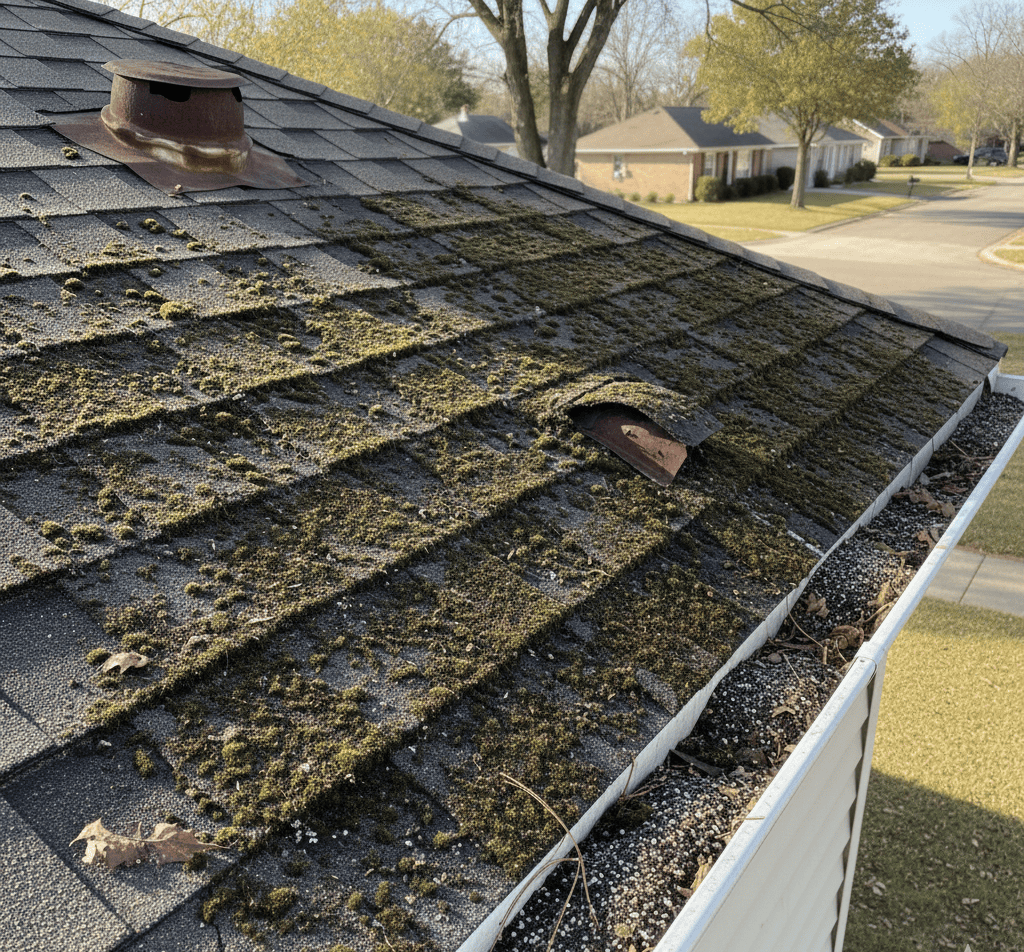
One of the most common causes of sudden ceiling water damage after heavy rain is deteriorated roofing materials. Over time, roof tiles, shingles, or metal sheets weaken due to constant exposure to sun, wind, and rain. Even small cracks or gaps can allow rainwater to seep through during a storm.
Heavy rain increases water pressure on the roof surface. If the roofing system is already compromised, water finds its way underneath and travels along beams and insulation before appearing on your ceiling. This is why leaks often show up far from the actual roof damage, making the problem difficult to identify without professional inspection.
Ignoring aging roof materials allows moisture to build up inside your ceiling cavity, leading to mold growth, wood rot, and weakened structural support. Professional roof specialists can detect early signs of wear and replace damaged sections before a minor issue turns into major ceiling damage.
2. Blocked or Faulty Roof Drainage System
Your roof drainage system plays a critical role during heavy rain. Gutters, downpipes, and roof valleys are designed to direct water away quickly. When these systems are blocked by debris, leaves, or dirt, water pools instead of draining properly.
During intense rainfall, this trapped water may overflow and seep into roof joints or flashing areas. Once inside, water travels downward and eventually causes ceiling water damage. Many homeowners overlook drainage maintenance, assuming it’s harmless—until water stains suddenly appear indoors.
Blocked drainage doesn’t just affect ceilings. It can lead to:
-
Persistent dampness
-
Peeling paint
-
Hidden mold growth
-
Long-term roof deterioration
Professional roof and plumbing services ensure drainage systems are properly cleaned, aligned, and functioning—especially before and after the rainy season.
3. Cracked or Improper Roof Flashing
Roof flashing seals vulnerable areas such as chimneys, vents, skylights, and roof edges. When flashing is cracked, loose, or improperly installed, heavy rain can easily penetrate these weak points.
Unlike visible roof damage, flashing issues are often hidden and only reveal themselves during storms. Water enters through tiny gaps, runs along structural elements, and appears as sudden ceiling water damage, confusing homeowners who see no obvious roof problem.
Faulty flashing is dangerous because:
-
Water damage spreads silently
-
Ceiling stains appear suddenly
-
Structural materials weaken over time
Professional roof inspections focus heavily on flashing integrity, preventing leaks before they damage ceilings and walls.
4. Plumbing Leaks Triggered by Heavy Rain
In some homes, the issue isn’t the roof—it’s plumbing. Heavy rain can overload external drainage systems, causing pressure buildup in pipes connected to ceilings or upper floors. Weak pipe joints, aging fittings, or concealed leaks may fail under this pressure.
Water from plumbing leaks often mimics roof leaks, leading to misdiagnosis. However, plumbing-related ceiling damage may worsen even after rain stops, indicating a hidden pipe issue.
Unchecked plumbing leaks can cause:
-
Ceiling collapse
-
Electrical hazards
-
Mold infestation
This is why professional plumbing assessments are crucial when ceiling damage appears suddenly after storms.
5. Poor Waterproofing or Previous Repair Issues
Improper waterproofing is a silent problem in many homes. If previous roof repairs were done without proper sealing or professional standards, heavy rain can expose these weaknesses quickly.
Waterproof membranes, sealants, and protective layers must be correctly installed to withstand prolonged rainfall. Poor workmanship often fails under storm conditions, leading to unexpected ceiling leaks.
Professional service providers identify faulty past repairs and apply long-term solutions instead of temporary fixes.
Why You Should Act Immediately
Ignoring sudden ceiling water damage can lead to:
-
Structural weakening
-
Electrical system damage
-
Health risks from mold
-
Higher repair costs over time
Early professional inspection saves money, protects your home, and ensures safety.
FAQs
Is ceiling water damage after rain always a roof problem?
Not always. It can be caused by roofing, plumbing, drainage, or waterproofing issues. A professional inspection identifies the true source.
Can ceiling water damage dry on its own?
Drying doesn’t fix the cause. Moisture trapped above ceilings can continue damaging structures even if the stain fades.
How fast should I act after noticing water damage?
Immediately. Delaying increases repair costs and health risks.
Is professional inspection really necessary?
Yes. Many causes are hidden and cannot be accurately diagnosed without professional tools and experience.
Conclusion
Sudden ceiling water damage after heavy rain is never something to ignore. It’s often a sign of deeper roofing or plumbing problems that require professional attention. Acting early protects your home, your family, and your investment.
If you’ve noticed ceiling stains, leaks, or unusual moisture after rainfall, contact KY Roofing & Plumbing today for expert inspection and reliable repair solutions before the damage worsens.