Plumbing Noises Explained and What Your Pipes Are Saying

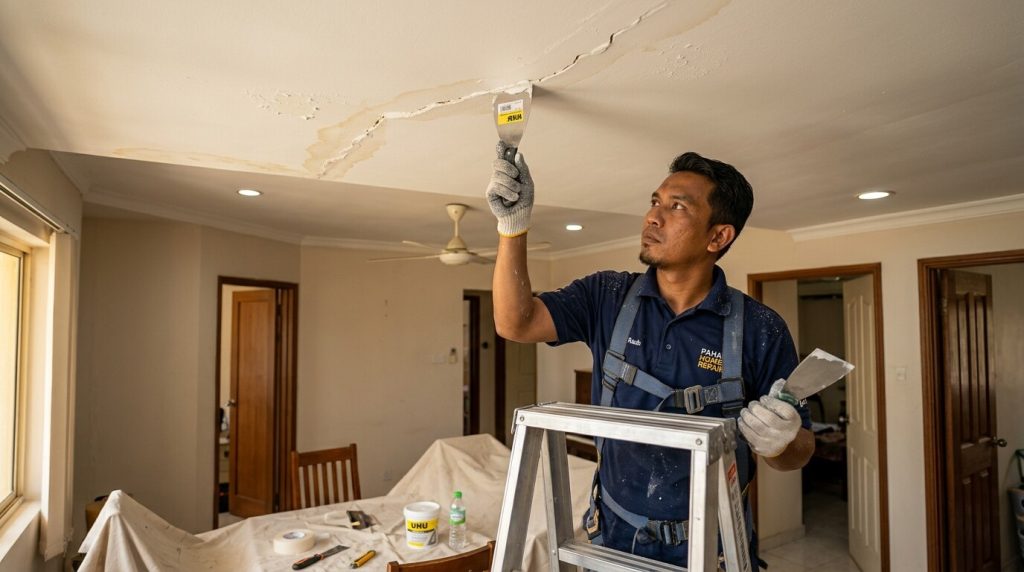
How to Repair Wall and Ceiling Cracks from Plumbing or Roof Leaks?
October 2, 2026Plumbing Noises Explained and What Your Pipes Are Saying

Your home's plumbing system is usually silent, working quietly behind walls and under floors to deliver water where you need it. So when you start hearing banging, whistling, humming, or gurgling sounds, it is natural to wonder whether this is normal or a sign that something is wrong.
Many plumbing problems develop slowly and remain unnoticed until water damage appears on ceilings, walls, or floors. Strange pipe noises are often the first warning sign that pressure, airflow, or structural conditions inside your plumbing system have changed. In Malaysian homes, where high water pressure, hard water minerals, and tropical humidity already place stress on pipes, understanding these sounds can save you thousands in repairs.
This is why paying attention to plumbing noises plays an important role in protecting your property and avoiding emergency plumbing situations.
A plumbing noise diagnosis helps identify potential problems before they become dangerous, allowing homeowners to take preventive action through proper maintenance, repairs, or part replacement when necessary.
What Are Plumbing Noises?
Plumbing noises are sounds produced by the movement of water, air, or vibration inside pipes, fixtures, and appliances. These sounds can originate from supply lines, drainage systems, water pumps, heaters, or the pipes connecting them.
During a professional inspection, trained plumbers examine various factors, including:
- Water pressure levels
- Pipe material and age
- Pipe support and insulation
- Drainage airflow
- Water pump condition
- Water heater operation
- Mineral scale buildup
- Loose fittings and connections
- Surrounding structural conditions
The goal is to determine whether the noise is a harmless characteristic of your system or an early warning of a problem that could lead to leaks, blockages, or pipe failure.
Why Understanding Plumbing Noises Is Important
Not every noisy pipe is a serious problem, and not every failing pipe makes an obvious sound. Some internal issues remain hidden until professional tools and experience are used to identify them.
Understanding plumbing noises helps property owners:
- Detect hidden pipe damage
- Prevent sudden pipe bursts
- Reduce water waste
- Protect walls, ceilings, and floors
- Improve water pressure and flow
- Plan future plumbing maintenance
Early detection often prevents costly emergency repairs and water damage.
Common Plumbing Noises and What They Mean
Professional inspections can identify sounds that are difficult to interpret without proper training.
Common plumbing noises include:
Banging or hammering sounds
Often caused by water hammer, a condition where sudden valve closure sends shockwaves through pipes. Loose or unsecured pipes can also bang against walls.
Whistling or squealing
Usually linked to restricted water flow, high pressure, or a failing valve, faucet cartridge, or water pump component.
Gurgling drains
A sign of blocked or improperly vented drains, where air is being pulled through water traps.
Humming or vibrating
Often caused by loose pipe mounts, worn pump bearings, or pressure fluctuations.
Rattling or ticking
Frequently the result of expanding and contracting pipes, loose fittings, or mineral buildup inside pipes.
Running water when nothing is on
A strong indicator of a hidden leak in a wall, floor, or ceiling.
These issues may weaken your plumbing system even if water still flows normally.
Protecting People and Property
Plumbing systems run through nearly every part of a home, office, school, or commercial building and require regular monitoring.
Without proper inspections, unresolved plumbing noises may lead to:
- Burst pipes
- Ceiling and wall water damage
- Floor warping
- Mold and mildew growth
- Water pump failure
- Water heater damage
- Increased water bills
- Electrical hazards from water contact
Professional assessments help reduce these risks by recommending appropriate repairs and maintenance before accidents occur.
Supporting a Healthy Plumbing System
Plumbing noise diagnosis is not only about identifying faults.
It also helps improve overall plumbing health and efficiency.
Specialists may recommend:
- Pipe insulation and securing
- Water pressure regulation
- Water hammer arrestor installation
- Drain cleaning and vent clearing
- Water pump servicing
- Water heater maintenance
- Mineral scale removal
- Replacing worn valves and cartridges
A well-maintained plumbing system is generally quieter, safer, and more resistant to long-term damage.
The Importance of Regular Plumbing Maintenance
Routine maintenance works together with noise diagnosis to improve long-term safety and performance.
Services may include:
- Pipe inspections
- Water pressure testing
- Drain and sewer cleaning
- Water pump servicing
- Water heater flushing
- Leak detection
- Faucet and valve repair
- Water tank cleaning
Regular maintenance reduces unnecessary stress on pipes and helps extend their lifespan.
Why Water Pressure Problems Increase Plumbing Noises
High or unstable water pressure, sudden surges, and aging pipes can stress plumbing systems even when damage is not immediately visible.
Pressure-related issues may cause:
- Water hammer
- Pipe vibration
- Joint leaks
- Faucet damage
- Water heater stress
- Pump wear
A professional inspection after pressure changes, renovations, or water supply disruptions helps identify hidden damage before it causes complete failure.
Commercial Properties Benefit from Plumbing Noise Inspections
Businesses often have plumbing systems located near:
- Office buildings
- Car parks
- Factories
- Shopping centres
- Hotels
- Schools
Regular inspections help property managers reduce liability risks while maintaining a safe and comfortable environment for employees and visitors.
Preventive inspections also minimize unexpected disruptions caused by emergency plumbing failures.
When Should a Plumbing Noise Inspection Be Performed?
Property owners should consider scheduling an inspection when:
- Pipes begin banging or whistling
- Drains gurgle or drain slowly
- Water pressure drops suddenly
- Water meters run without usage
- Ceiling or wall stains appear
- Water pumps become noisy
- Renovation or construction occurs nearby
- A water supply disruption has occurred
Regular inspections are especially important for older homes and buildings with high water usage.
Why Professional Inspections Are Better Than DIY Checks
While homeowners can identify obvious problems, many plumbing issues require professional knowledge and experience.
Plumbing specialists understand:
- Pipe materials and behaviour
- Water pressure dynamics
- Drainage and venting systems
- Water pump mechanics
- Leak detection techniques
- Risk evaluation methods
They also use specialized tools such as pressure gauges, acoustic leak detectors, and inspection cameras to provide accurate recommendations.
Professional assessments reduce guesswork and help property owners make informed decisions.
Long-Term Benefits of Plumbing Noise Diagnosis
Investing in regular plumbing inspections provides numerous long-term advantages.
Benefits include:
- Improved property safety
- Early fault detection
- Lower repair costs
- Reduced emergency plumbing calls
- Healthier plumbing system
- Longer pipe lifespan
- Better water efficiency
- Greater peace of mind
Preventive care is often more cost-effective than responding to emergency situations after damage has occurred.
Choosing a Professional Plumbing Company
When selecting a plumbing provider, consider companies that offer:
- Experienced plumbing specialists
- Comprehensive plumbing inspections
- Professional leak detection
- Pipe repair and replacement
- Water pump and heater services
- Emergency plumbing services
- Proper tools and equipment
- Safety-focused work practices
Working with experienced professionals helps ensure plumbing systems are managed safely and responsibly.
Conclusion
Understanding plumbing noises is an essential part of responsible property maintenance. They help identify hidden hazards, improve plumbing health, and reduce the risk of water damage before it occurs.
Whether for residential homes, commercial buildings, factories, or public spaces, regular inspections provide valuable information that supports safer plumbing systems and healthier living environments. Combined with professional repairs, maintenance, and part replacement when necessary, plumbing noise diagnosis helps protect both people and property while preserving the long-term value of your home or building.
FAQs
1. What causes banging noises in pipes?
Banging noises are usually caused by water hammer, which occurs when water flow stops suddenly and sends a shockwave through the pipes. This commonly happens when taps, washing machines, or dishwashers shut off quickly, forcing water to reverse direction and strike pipe walls. Loose pipe supports can also cause banging as pipes move against walls or floors, especially when water pressure fluctuates. In older Malaysian homes, worn washers and faulty valves often worsen the problem. If left unchecked, water hammer can loosen joints, damage fittings, and eventually cause leaks behind walls where repairs are costly.
2. Are gurgling drains a serious problem?
Gurgling drains often indicate a blockage or venting issue in the drainage system. The sound occurs when air is trapped and forced through water as it drains slowly. If left unaddressed, this can lead to slow drains, unpleasant odors, and eventually full blockages. In severe cases, gurgling may signal a blocked vent pipe, which can cause sewer gases to enter your home—a health hazard. During monsoon season, when drains are already stressed by heavy rain, gurgling should never be ignored. A professional inspection can identify whether the cause is a simple clog or a deeper venting problem.
3. Can noisy pipes lead to water damage?
Yes. Noisy pipes can be an early warning sign of high pressure, loose fittings, or hidden leaks. If ignored, these issues can develop into burst pipes and significant water damage. High water pressure strains pipe joints and can cause them to fail suddenly, while loose fittings may leak slowly behind walls, leading to mold, structural damage, and expensive repairs. Whistling sounds often indicate restricted flow, which puts added stress on your plumbing. Addressing noise early—through pressure regulation, tightening, or replacing worn components—can prevent thousands in water damage repair costs.
4. When should I call a professional plumber?
You should call a professional plumber if you notice persistent banging, whistling, gurgling, or running water sounds, especially if water pressure has changed or you see stains on walls or ceilings. These signs often point to underlying issues that worsen over time. DIY fixes are rarely effective for plumbing noise problems and can cause further damage. A licensed plumber has the tools and expertise to diagnose the root cause accurately and recommend the right solution, saving you time, money, and stress.
5. What happens after a plumbing noise inspection?
After completing the inspection, the plumber will explain the condition of your plumbing system and recommend suitable solutions. Depending on the findings, this may include pressure regulation, pipe insulation, drain cleaning, pump servicing, leak repair, or pipe replacement. You will receive a clear explanation of the causes and options, allowing you to make an informed decision. In some cases, simple adjustments resolve the issue immediately; in others, more extensive work may be needed. Either way, addressing plumbing noise early protects your home from bigger, costlier problems down the road.