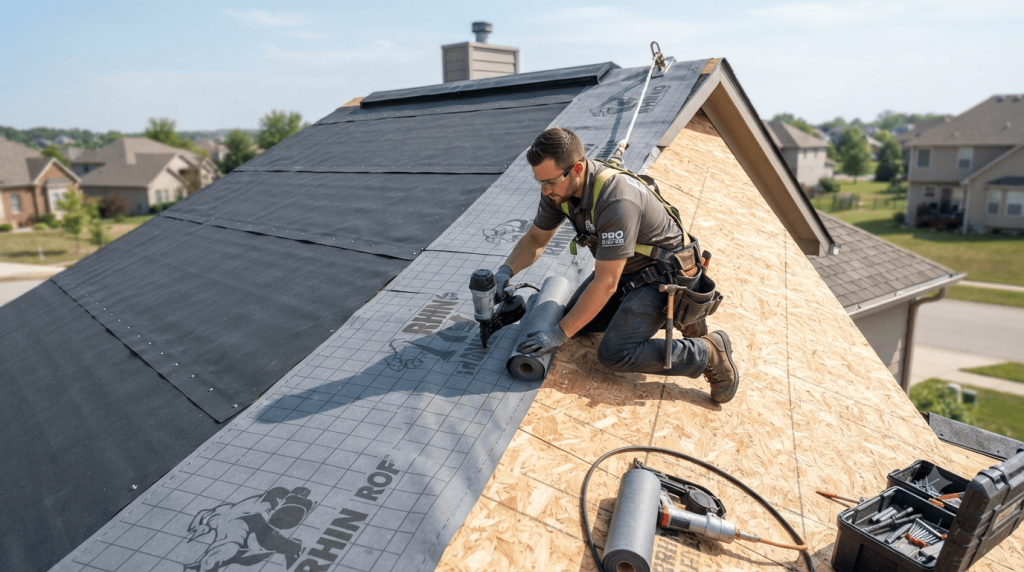
Roof Inspection Checklist: Key Areas to Look for Hidden Damage

Roofing Contractors: How to Choose the Right Expert Malaysia
April 14, 2026
Roof Maintenance: Why Regular Checks Prevent Costly Repairs
April 30, 2026Roof Inspection Checklist: Key Areas to Look for Hidden Damage

A roof inspection checklist is an essential tool for homeowners and property managers to identify early signs of roof damage before they turn into serious structural issues. Many roofing problems develop slowly and remain hidden until visible leaks or interior damage appear.
Regular inspection helps detect issues such as cracked tiles, blocked drainage, and weakened roofing materials. By following a structured checklist, property owners can better understand the condition of their roof and take preventive action early.
In regions with heavy rainfall and changing weather conditions, roof inspections become even more important for long-term property protection.
Why Roof Inspections Are Important
Roof inspections play a key role in maintaining the safety and durability of a building. Over time, roofs are exposed to sunlight, rain, wind, and temperature changes, all of which can weaken materials.
Without proper inspection, small issues may go unnoticed and gradually develop into major damage. A roof inspection checklist helps ensure that no critical area is overlooked.
It also helps reduce long-term repair costs by identifying problems early, before they require expensive fixes or full replacements.
Exterior Roof Surface Check
One of the first steps in a roof inspection checklist is examining the exterior surface. This includes looking for missing, cracked, or broken roofing materials.
Damaged shingles or tiles can allow water to enter the structure, leading to internal damage over time. Even small cracks should not be ignored, as they may expand during heavy rain or strong winds.
A careful surface inspection provides a clear indication of the roof’s overall condition.
Gutters and Drainage System
Blocked or damaged gutters are a common cause of roof problems. During a roof inspection checklist review, it is important to check whether gutters are free from debris such as leaves, dirt, or branches.
When gutters are clogged, water cannot flow properly and may overflow onto the roof or walls. This can lead to moisture damage and weakening of structural materials.
Proper drainage ensures that rainwater is directed away from the building efficiently.
Roof Flashing Condition
Flashing refers to the metal strips installed around roof joints, chimneys, and edges to prevent water leakage.
Damaged or loose flashing is often a hidden cause of roof leaks. During inspection, it is important to ensure that flashing is tightly sealed and free from rust or corrosion.
Even minor gaps in flashing can allow water to seep into the structure and cause internal damage.
Signs of Water Damage Inside the Property
A complete roof inspection checklist should also include interior checks. Water stains on ceilings or walls are strong indicators of roof issues.
These stains often appear long after the initial damage has started, meaning the problem may already be more serious than expected.
Checking interior spaces helps identify leaks that are not visible from the outside.
Roof Structure and Support System
The structural integrity of the roof is another critical area of inspection. This includes beams, trusses, and supporting frameworks.
Over time, moisture or pests can weaken wooden structures, while metal supports may corrode. A compromised structure can affect the entire roof system.
Regular inspection ensures that the support system remains strong and stable.
Roof Ventilation System
Proper ventilation is often overlooked but plays a major role in roof health. Poor ventilation can trap heat and moisture inside the roof space.
This can lead to mold growth, material deterioration, and reduced roof lifespan. A roof inspection checklist should include checking vents for blockages or damage.
Good airflow helps maintain roof durability and prevents long-term issues.
Signs of Mold and Algae Growth
Mold and algae growth on roofs are common in humid climates. These growths can damage roofing materials over time and reduce their effectiveness.
During inspection, dark patches or green stains should be noted. While they may seem cosmetic at first, they often indicate moisture retention problems.
Cleaning and preventive treatment can help control this issue.
Roof Edges and Corners
Roof edges and corners are more exposed to wind and rain, making them vulnerable to damage.
A roof inspection checklist should include checking for lifted edges, loose materials, or gaps in sealing.
These areas often experience the first signs of wear and tear, so early detection is important.
Attic and Roof Space Inspection
The attic provides valuable insight into roof condition. Signs such as daylight coming through gaps, damp insulation, or mold growth indicate potential roof issues.
Inspecting this area helps detect hidden leaks that may not be visible from the exterior.
A thorough roof inspection checklist always includes checking internal roof spaces.
Weather Impact on Roof Condition
Weather conditions such as heavy rain, strong winds, and heat exposure can significantly affect roof durability.
Over time, repeated exposure can weaken materials and create small cracks or gaps.
Understanding how weather impacts roofing systems helps property owners anticipate potential issues.
Preventive Maintenance Importance
A roof inspection checklist is not only for detecting problems but also for preventing them. Regular maintenance ensures that minor issues are addressed before they become major repairs.
Simple actions such as cleaning gutters, replacing damaged tiles, and sealing small cracks can significantly extend roof lifespan.
Preventive care is always more cost-effective than emergency repairs.
Conclusion
A roof inspection checklist is an essential tool for maintaining the safety, durability, and performance of any building. By regularly checking key areas such as roofing surfaces, gutters, flashing, and interior spaces, property owners can detect hidden damage early.
Early detection helps reduce repair costs and prevents serious structural issues. Regular inspections combined with proper maintenance ensure long-term roof protection and peace of mind.
More Info
Learn more about roofing services:
https://kyroofingplumbing.com/
Explore maintenance tips:
https://kyroofingplumbing.com/tips/
Reference:
https://www.cidb.gov.my/
FAQs
1. What is a roof inspection checklist?
It is a structured guide to check roof condition and detect damage early.
2. How often should roof inspection be done?
At least once or twice a year, especially after heavy rain seasons.
3. What are common roof problems found during inspection?
Cracks, leaks, blocked gutters, and damaged flashing.
4. Can roof damage be hidden?
Yes, many issues develop internally before becoming visible.
5. Why is roof inspection important?
It helps prevent costly repairs and extends roof lifespan.