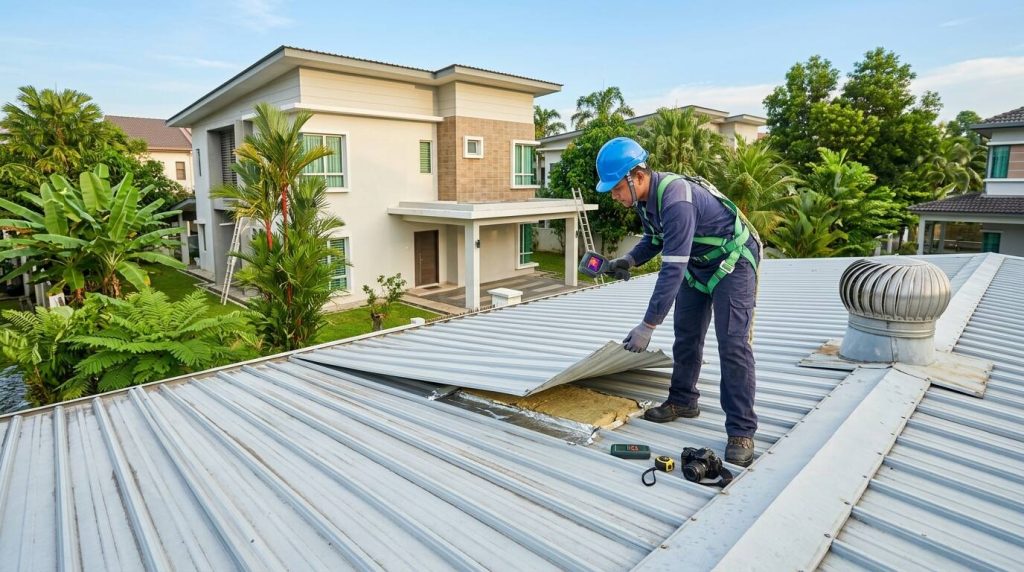
How to Prevent Hidden Plumbing Roof Leaks Before They Destroy Your Ceiling

Roof Installation Guide: Complete Professional Process Explained
January 13, 2026
Signs You Need a Roof Repair Specialist
January 30, 2026How to Prevent Hidden Plumbing Roof Leaks Before They Destroy Your Ceiling

Hidden plumbing roof leaks are one of the most expensive and misunderstood causes of interior damage in homes. Unlike visible roof leaks, these problems often start small, remain unnoticed, and slowly damage ceilings, insulation, framing, and even electrical systems before homeowners realize what’s wrong.
Understanding how these leaks happen — and why professional roofing and plumbing services are essential — can save thousands in repairs and protect your home long-term.
1. What Are Hidden Plumbing Roof Leaks?
Quick answer: Hidden plumbing roof leaks occur when water escapes around plumbing components that pass through the roof, often without visible exterior damage.
Every home has plumbing elements that penetrate the roof, including vent stacks, exhaust pipes, and drain vents. These areas require precise sealing and flashing to prevent water intrusion. When seals fail, water travels along pipes or roof decking, soaking insulation and ceilings silently.
What makes these leaks dangerous is their invisibility. Water may spread across wide areas before staining appears inside the home. By the time homeowners notice sagging drywall or discoloration, significant structural damage may already exist.
Professional inspections are critical because trained technicians know exactly where these hidden failures occur and how to identify early warning signs before major damage develops.
2. Why Plumbing Roof Leaks Are Often Missed During Roof Inspections
Quick answer: Standard roof checks may overlook plumbing penetrations if the inspection isn’t detailed or specialized.
Many roof inspections focus on shingles, tiles, gutters, and flashing edges. However, plumbing penetrations require closer evaluation because:
-
Seals deteriorate faster than roofing materials
-
Rubber boots crack due to heat and UV exposure
-
Metal flashing corrodes over time
-
Poor original installation causes long-term failure
Without a roofing and plumbing combined assessment, leaks around vent pipes can remain undetected. This is where a professional service like KY Roofing & Plumbing offers a major advantage — addressing both systems together instead of separately.
3. Early Warning Signs of Hidden Plumbing Roof Leaks
Quick answer: Interior damage is often the first visible sign, not exterior roof failure.
Homeowners should take these signs seriously:
-
Yellow or brown ceiling stains
-
Bubbling or peeling paint
-
Musty odors in upper rooms
-
Soft drywall near ceilings
-
Mold growth near vents or bathrooms
These symptoms often indicate water traveling downward from the roof, not a standard plumbing leak inside walls. A professional diagnosis is necessary to confirm the source and stop further damage.
Ignoring early signs allows moisture to spread into insulation, wood framing, and electrical systems — increasing repair costs significantly.
4. How Plumbing Vent Flashing Fails Over Time
Quick answer: Vent flashing fails due to age, weather exposure, and improper installation.
Plumbing vent flashing is designed to create a watertight seal between the roof and the pipe. Over time, exposure to sun, rain, wind, and temperature changes causes materials to crack, warp, or pull away.
Common causes of failure include:
-
Brittle rubber boots
-
Rusted metal flashing
-
Loose fasteners
-
Incorrect flashing size
-
Sealant breakdown
Once flashing fails, water flows directly into the roof structure. This is why professional replacement using durable materials is essential — temporary fixes often make the problem worse.
5. Why Hidden Leaks Cause More Damage Than Visible Roof Leaks
Quick answer: Hidden leaks spread silently and affect larger areas before detection.
Unlike obvious roof leaks that drip during rain, plumbing roof leaks often:
-
Occur intermittently
-
Follow pipes and framing
-
Spread horizontally across ceilings
-
Saturate insulation without visible dripping
This slow spread leads to:
-
Mold growth
-
Ceiling collapse risks
-
Structural wood rot
-
Higher restoration costs
Professional intervention stops the leak at the source before extensive interior repairs become necessary.
6. The Role of Professional Roofing & Plumbing Services
Quick answer: Only trained professionals can accurately locate and permanently fix hidden plumbing roof leaks.
Effective prevention and repair require:
-
Roof penetration inspections
-
Attic moisture assessments
-
Flashing replacement
-
Proper resealing techniques
-
Long-term waterproofing solutions
KY Roofing & Plumbing professionals understand how roofing and plumbing systems interact. This integrated expertise ensures repairs are done once — and done correctly, preventing recurring leaks and unnecessary expenses.
7. Why Preventive Inspections Save Thousands in Repairs
Quick answer: Preventive inspections cost far less than ceiling restoration and mold remediation.
Routine professional inspections allow technicians to:
-
Identify aging flashing
-
Replace failing seals early
-
Prevent insulation saturation
-
Extend roof lifespan
Preventive service protects your home’s structure, air quality, and resale value while giving homeowners peace of mind during heavy rain seasons.
❓ Frequently Asked Questions (FAQs)
Q1: Are hidden plumbing roof leaks covered by insurance?
Coverage depends on policy terms and whether the damage resulted from sudden failure or long-term neglect.
Q2: How often should plumbing roof penetrations be inspected?
Every 1–2 years, or after major storms or roof aging milestones.
Q3: Can roof leaks come from plumbing vents only?
They are one of the most common sources, especially in older homes.
Q4: Why do leaks reappear after repairs?
Temporary fixes or incomplete flashing replacement often fail again without professional installation.
Conclusion
Hidden plumbing roof leaks don’t announce themselves — they quietly destroy ceilings, insulation, and structural components until damage becomes unavoidable. The smartest solution is professional prevention and early detection.
If you suspect a hidden leak or want to protect your home before damage occurs, contact KY Roofing & Plumbing today. Our experienced team provides thorough inspections and lasting solutions that keep your home safe, dry, and structurally sound.